

What is institutional interior Design
What is Institutional interior design is one area of interior design that focuses on creating functional and aesthetically pleasing interior spaces for various institutions, including government buildings. An interior designer specializing in this field must consider accessibility, health and safety, and effective layout in their designs. Design elements such as natural light and adaptable furniture are crucial in institutional design, as they help create welcoming environments that cannot be dull. The institution’s brand is also reflected in the interior design for institutions, which often requires an institutional interior design project that aligns with its mission and values.
To achieve successful institutional design,Akkad Consultants is essential to design to create spaces that foster productivity and collaboration. A well-executed project incorporates commercial interiors with a focus on the specific needs of the institution, ensuring the spaces remain functional yet inviting. An effective design approach not only enhances the user experience but also promotes community engagement and interaction. By understanding the unique requirements of each institutional space, designers can craft environments that leave a lasting impression while fulfilling their intended purposes.

interior Design
professional interior design Dubai services. Our services include design, color schemes, furniture selection, placement and more
Request a Quote
Benefits of Institutional Interior Design Company
Institutional interior design is one area of interior design for institutions that focuses on creating functional and aesthetically pleasing interior spaces within government buildings and other public facilities. An interior designer in this field must prioritize accessibility and health and safety, ensuring that all users can navigate the space effectively. The layout of the institutional space should incorporate natural light and adaptable design elements that enhance the user experience. Essentials for institutional interior design include a thoughtful approach to commercial interiors that cannot be dull but must convey the brand of the institution’s mission. This is crucial in institutional design, as it seeks to design to create environments that foster engagement.
Projects in institutional interior design require a comprehensive understanding of how Akkad Consultants can influence public perception and user interaction. Each institutional interior design project should focus on design incorporates innovative solutions that reflect the values and objectives of the institution. By emphasizing the importance of adaptability and functionality, interior designers can enhance the overall experience while ensuring that the spaces remain inviting and practical. Ultimately, institutional interior design is one that balances the needs of the community with aesthetic considerations, creating environments that are not only usable but also inspiring.
Institutional interior design is one area of interior design for institutions that focuses on creating functional and aesthetically pleasing interior spaces within institutional spaces like government buildings. An interior designer working on an institutional interior design project must consider accessibility, natural light, and the layout to ensure the environment is adaptable to various needs. The essentials for institutional interior design include incorporating health and safety standards while also ensuring that the design cannot be dull. Effective design elements should reflect the institution’s brand while remaining functional and welcoming.
Bespoke institutional design aims to design to create spaces that foster interaction, learning, and community engagement. A name among interior designers, Akkad Consultants emphasizes the importance of merging functionality with aesthetic appeal. This approach not only enhances the user experience but also establishes an environment that inspires and motivates. In the world of commercial interiors, institutional interior design plays a crucial role, ensuring that facilities meet the diverse needs of their users while being visually harmonious and practical.
Essentials For Institutional Interior Design
Institutional interior design is one area where interior designers focus on creating functional and aesthetically pleasing environments within institutional spaces, such as government buildings and educational facilities. This design approach emphasizes the importance of natural light, accessibility, and thoughtful layout to ensure that these spaces are not only practical but also inviting. The essentials for institutional interior design include incorporating health and safety measures, adaptable interior spaces, and design elements that reflect the institution's brand.
Projects in institutional interior design cannot be dull; instead, they must design to create environments that foster community and engagement. A name among interior designers, Akkad Consultants specializes in institutional interior design projects that are both functional and inspiring. Ultimately, institutional interior design is crucial in institutional design, as it enhances user experience while serving a diverse range of activities.
Challenges of Institutional Interior Design
Institutional interior design is one area where interior designers focus on creating functional and aesthetically pleasing interior spaces within institutional spaces, such as government buildings. This design process cannot be dull; it must incorporate design elements that enhance natural light and accessibility, ensuring that the layout meets the needs of diverse users. A successful institutional interior design project emphasizes both health and safety and the institution’s brand identity, making it crucial in institutional design.
Furthermore, Akkad Consultants often aims to create adaptable spaces that can evolve over time. The essentials for institutional interior design include a keen understanding of commercial interiors and a commitment to design to create environments that are both functional and inviting. By employing these principles, institutional interior design can significantly enhance the user experience.
What is the role of an institutional interior designer?
Institutional interior design is one area of interior design for institutions that focuses on creating functional and aesthetically pleasing interior spaces within government buildings and other public facilities. An interior designer working on an institutional interior design project must consider essential elements such as natural light, accessibility, and effective layout. The design must not only meet health and safety standards but also be adaptable to the institution’s needs. Institutional design cannot be dull; instead, it should reflect the brand and values of the institution, incorporating design elements that create inviting spaces.
Furthermore, Akkad Consultants plays a crucial role in institutional interior design to create environments that foster community interaction and engagement. This involves a thoughtful selection of materials and furnishings that enhance the functionality and aesthetic appeal of commercial interiors. An effective interior designer must ensure that the design incorporates elements that are not only visually pleasing but also promote well-being and efficiency. Ultimately, the goal is to create an institutional space that is supportive, welcoming, and conducive to the activities it serves.
How important is natural light in institutional interior design?
Institutional interior design is one area where interior designers focus on creating functional and aesthetically pleasing interior spaces within institutional buildings, such as government buildings and educational facilities. This type of design incorporates essential elements like natural light, accessibility, and an adaptable layout. The goal is to ensure that these spaces not only meet the practical needs of an institution but also reflect its brand and values. Health and safety considerations are also crucial in institutional design.
Through a thoughtful approach, institutional interior design projects cannot be dull; they must engage users while providing comfort and functionality. Akkad Consultants is a prominent name among interior designers who specialize in this field, focusing on design to create inviting and efficient commercial interiors. Ultimately, institutional interior design is one of the most impactful areas of interior design for institutions, shaping the experiences of all who utilize these vital institutional spaces.
What are some cost-effective ways to improve institutional interior design?
Institutional interior design is one area that focuses on creating functional and aesthetically pleasing interior spaces within government buildings and other institutions. An interior designer working on an institutional interior design project must consider essential elements such as natural light, accessibility, and an adaptable layout. These design elements are crucial in institutional design, ensuring that the space meets the needs of its users while also reflecting the institution's brand. The design incorporates health and safety standards, emphasizing that spaces cannot be dull but rather engaging and functional.
Through institutional interior design, Akkad Consultants aims to create environments that foster community engagement and productivity. The challenge lies in balancing functionality with a welcoming atmosphere, which is essential for commercial interiors and other institutional spaces. A well-executed design can transform a mundane area into an inviting and efficient environment, showcasing that interior design for institutions is not just about aesthetics but also about creating supportive places that enhance the overall user experience.
Institutional Design Techniques
In commercial interior design, the design refers to the process of creating functional and aesthetic environments tailored for specific institutional projects. The goal of institutional design is to create spaces that are warm and inviting, particularly in healthcare facilities and educational institutions. By incorporating biophilic design elements, such as indoor plants, designers enhance the well-being of the occupant while ensuring that the design focuses on accessibility features like ramps and elevators.
In public buildings, the integration of modular components and thoughtful corridor layouts plays a crucial role in fostering teaching and learning environments. Fire safety is also paramount in institutional environments, guiding design firms to adopt sustainable design practices that align with the needs of spaces intended for public use.
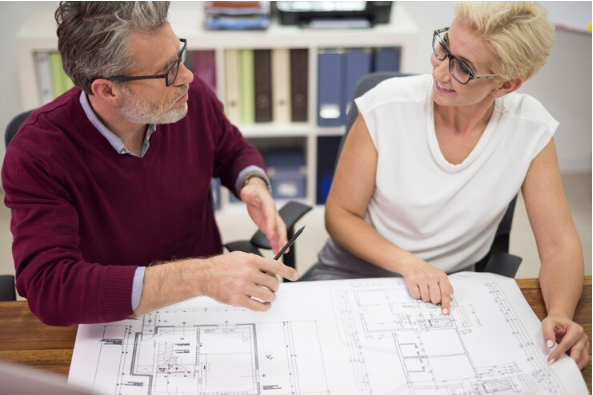
AKKAD Architectural Design Consultancy ABU DHABI
AKKAD architectural consultancy stands at the forefront of innovative design solutions in UAE and the heart of Abu Dhabi. With a strong focus on residential and commercial projects, our team of expert architects and consultants employs a collaborative approach to meet the unique needs and aspirations of each client. Through comprehensive project management and technical analysis, we ensure that every aspect of the construction process aligns with the highest standards of engineering and architecture.
As a trusted engineering consultancy, we thrive on transforming visions into reality, particularly in the United Arab Emirates, the Kingdom of Saudi Arabia and Iraq. Our holistic design services encompass everything from interior design to large-scale construction, allowing us to redefine the boundaries of traditional architectural consultancy. With a dynamic presence on LinkedIn, Akkad consultants continuously seek opportunities to innovate and elevate the built environment, making each project a testament to our commitment to excellence.

The Role of an Architectural Design Consultancy in Abu Dhabi and Dubai
The role of an architectural design consultancy in Abu Dhabi and Dubai is crucial in shaping the city's skyline and urban landscape. These consultancies work closely with contractors to ensure that projects meet the highest standards of quality and safety. By adhering to local policys and regulations, they navigate the complexities of construction while promoting sustainability and innovation.
Furthermore, architectural firms often utilize advanced technologies to enhance design processes, pushing the boundaries of innovation in architecture. For instance, the integration of the sab gate system provides seamless access and security for developments. Ultimately, the consultancy's profile significantly impacts the overall success of a project, making it indispensable in UAE's competitive market.
collaboration results in a winning project
In today's fast-paced world, policy development thrives on collective collaboration, where diverse perspectives come together to create innovative solutions. When team members contribute their unique skills and knowledge, they enhance the overall project, ensuring that every angle is covered. This synergy fosters a sense of ownership among participants, motivating them to invest their best efforts into achieving common goals. As ideas are shared and refined through open dialogue, the project evolves into a comprehensive strategy that addresses the needs of all stakeholders. Ultimately, this collaborative approach not only leads to a winning project but also strengthens relationships among team members.
(FAQs) for " AKKAD Architectural Design Consultancy
1.What services does AKKAD Consultant, Architectural Design Consultancy offer?
We provide a comprehensive range of architectural services, including residential and commercial design, urban planning, interior design, and project management. Our goal is to create functional and aesthetically pleasing spaces tailored to our clients' needs.
2.How does the design process work?
Our design process typically begins with an initial consultation to understand your vision and requirements. We then develop conceptual designs, followed by detailed plans and specifications. Throughout the process, we maintain open communication to ensure your input is incorporated.
3.Can you work within my budget?
Absolutely! We strive to accommodate various budgets while maintaining quality and design integrity. During our initial discussions, we will establish your budget and explore options that align with your financial parameters.
4.What is your typical project timeline?
Project timelines can vary based on complexity and scope. Generally, residential projects may take several months from initial consultation to completion, while larger commercial projects can take longer. We provide a detailed timeline during the planning phase.
5.Do you handle permits and approvals?
Yes, we assist with obtaining the necessary permits and approvals required for your project. Our team is experienced in navigating local regulations, ensuring that your design complies with all legal requirements.

Design and Supervision Services in Abu Dhabi: A Comprehensive Approach for All Projects
In the dynamic construction landscape of Abu Dhabi, delivering high-quality design and supervision services is crucial for the success of any project, whether it’s residential, commercial, or industrial. At AKKAD Engineering Consultant, our experienced team is dedicated to providing end-to-end design solutions and meticulous supervision, ensuring that each project is completed to the highest standards of quality, safety, and efficiency. With over 13 years of expertise, we have played a pivotal role in shaping the built environment of the UAE, managing projects across various scales and complexities.
Our Approach to Design Services:
Design is at the heart of every successful construction project. Our team of architects and designers works closely with clients to transform their visions into reality, taking into account the unique requirements of each project. We combine innovative design principles with a deep understanding of Abu Dhabi’s regulatory framework, ensuring that every plan aligns with local codes and standards. Our services include:

Concept Design:
Developing initial design concepts that reflect the client’s vision and meet functional requirements.
Detailed Design:
Refining concepts into detailed plans and drawings, incorporating structural, electrical, and mechanical systems.
Interior Design:
Crafting aesthetically pleasing and functional interior spaces tailored to the client’s preferences and project needs.
Supervision Services for Project Success:
Effective supervision is essential to maintain the quality and timeline of any construction project. Our seasoned supervision team ensures that every aspect of the construction process is executed according to the approved designs, specifications, and safety regulations. Our services include:
Site Supervision:
Continuous monitoring of construction activities to ensure compliance with approved plans and specifications.
Quality Control:
Implementing strict quality assurance measures to maintain high standards of construction.
Safety Management: Ensuring that all safety protocols are followed on-site, minimizing risks and protecting workers and the environment.
Why Choose Us?
At AKKAD Engineering Consultant, our strength lies in our ability to blend technical expertise with a client-focused approach. Our team’s extensive experience in Abu Dhabi allows us to navigate the complexities of local approval processes and deliver projects on time and within budget. With a track record of successfully completed projects, from high-end villas to large commercial complexes, we are well-equipped to manage the unique challenges of each project.
Partner with us to turn your vision into a reality. Contact us today to learn more about how our design and supervision services can help make your next project a success.

Navigating Initial Approvals and Project Permits in Abu Dhabi
Project Management Services in Abu Dhabi for Villas, Fit-Out, and Construction Projects
Abu Dhabi, as the capital of the UAE, is known for its rapid development and a thriving real estate market. Whether it's luxury villas, complex fit-out projects, or large-scale construction ventures, managing such projects efficiently is key to their success. Project management services in Abu Dhabi are designed to ensure that these projects are delivered on time, within budget, and to the highest quality standards.

The Role of Project Management in Abu Dhabi's Construction Sector
Project management services play a critical role in Abu Dhabi's construction industry, ensuring that each phase of a project—be it design, approval, construction, or handover—is meticulously planned and executed. Key aspects include:
Stakeholder Management: Involving clients, contractors, consultants, and local authorities in the project to ensure clear communication and alignment.
Regulatory Compliance: Ensuring adherence to Abu Dhabi Municipality regulations and other local requirements to secure necessary permits and approvals.
Risk Management: Identifying and mitigating risks early to avoid project delays or cost overruns.
Project Management for Villas in Abu Dhabi
Managing villa construction or renovation in Abu Dhabi demands a specialized approach. Here's what effective project management entails:
Custom Design Coordination: Managing the design process to ensure the villa meets the client's vision while adhering to local codes.
Budget Management: Keeping track of expenses, from construction materials to labor costs, ensuring transparency and cost control.
Quality Control: Monitoring construction quality through regular site visits, ensuring the villa is built to the highest standards.
Timeline Management: Creating detailed schedules to ensure the project stays on track and is completed within the agreed timeframe.
Project Management for Fit-Out Projects
Fit-out projects, whether for residential, commercial, or retail spaces, require a different set of skills compared to traditional construction:
Space Planning and Design Integration: Managing the interior design process to align with the functional requirements of the space.
Vendor and Contractor Coordination: Working closely with subcontractors, suppliers, and design teams to ensure a smooth workflow.
Handover Management: Ensuring that all interior elements are installed correctly and functioning as intended before the final handover.
Construction Project Management
For large-scale construction projects in Abu Dhabi, the project management services must address the unique challenges of scale and complexity:
Pre-Construction Planning: This phase involves feasibility studies, site assessments, budgeting, and timeline planning.
Procurement Strategy: Ensuring that materials and resources are procured efficiently, maintaining high standards and timely deliveries.
Project Supervision: Continuous site supervision and progress tracking are vital to maintain quality standards and project timelines.
Change Management: Handling any scope changes, design adjustments, or unexpected challenges without compromising on time and cost.
Key Benefits of Project Management Services
Cost Savings: Effective management can identify opportunities for cost savings, avoid waste, and ensure that budgets are not exceeded.
Time Efficiency: Proper scheduling and coordination can greatly reduce project timelines, allowing faster delivery of projects.
Quality Assurance: With continuous monitoring, project management ensures that the highest standards of construction and design are maintained.
Risk Mitigation: Addressing potential issues before they become major problems helps in maintaining project momentum and reducing delays.
Why Choose Project Management Services in Abu Dhabi?
Abu Dhabi's real estate market is competitive, with high client expectations and strict regulatory frameworks. Utilizing project management services allows developers and property owners to focus on their vision while professionals manage the complexities of the project. By choosing experienced project managers, clients in Abu Dhabi can ensure a seamless process from concept to completion.
Conclusion
Whether it's a luxury villa, a custom fit-out, or a large construction project, having a reliable project management team in Abu Dhabi can make all the difference. Their expertise in local regulations, stakeholder management, and construction processes ensures that projects are completed efficiently, maintaining the balance between time, cost, and quality.
What is Project Management? The Complete Guide 2026
Project management remains a critical skill in 2026, evolving alongside advancements in technology, globalization, and business needs. At its core, project management involves planning, organizing, executing, and finalizing projects within defined scope, time, and cost constraints. As industries grow more dynamic, the role of project managers continues to expand, requiring them to adapt to new methodologies, tools, and challenges. This guide covers everything you need to know about project management in 2026, from fundamental concepts to emerging trends.
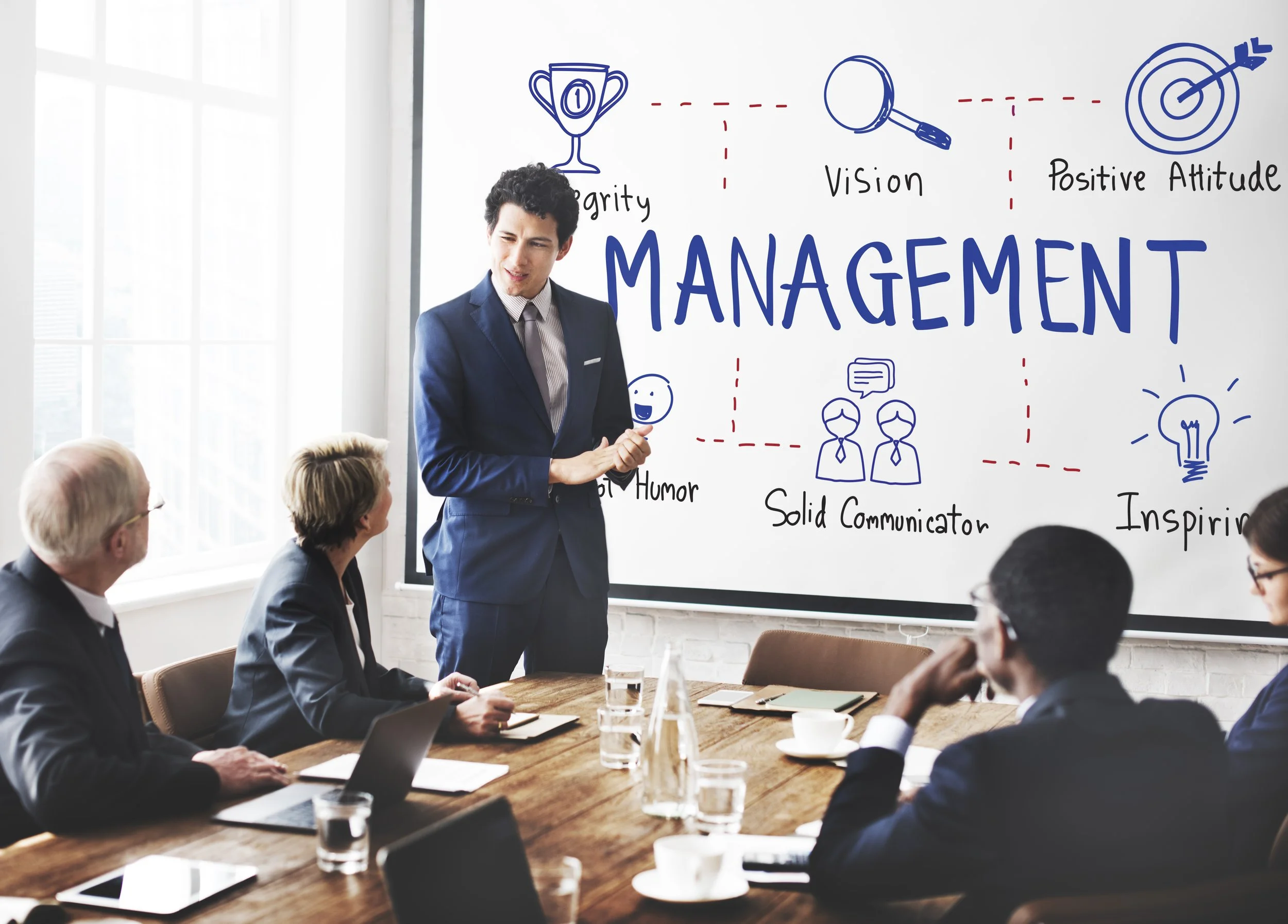
What is Project Management?
Project management is the structured process of leading a team to achieve specific goals through the management of time, cost, resources, and scope. It involves multiple phases, such as initiation, planning, execution, monitoring, and closure. Project managers are responsible for ensuring that the project's objectives are met while managing risks and satisfying stakeholder expectations.
The Project Management Institute (PMI) defines it as the "application of knowledge, skills, tools, and techniques to project activities to meet project requirements."
Key Components of Project Management
Project management in 2026 continues to focus on these core components:
Scope Management: Clearly defining what is included in the project and what is not.
Time Management: Developing a schedule and tracking project milestones and deadlines.
Cost Management: Creating and managing the project budget, including resource allocation and expenditure control.
Quality Management: Ensuring the project delivers outputs that meet the desired standards.
Risk Management: Identifying, assessing, and mitigating risks that may arise during the project.
Stakeholder Engagement: Ensuring communication and involvement from all parties impacted by the project.
Resource Management: Coordinating people, equipment, and materials necessary to complete the project.
The Project Management Lifecycle
The project management lifecycle still consists of five critical phases, with some enhancements in approach due to digital tools and methodologies:
Initiation: Define project objectives, deliverables, and stakeholders.
Planning: Develop a comprehensive plan, including tasks, timelines, risks, and budgets.
Execution: Implement the plan, coordinate resources, and manage the team to execute tasks.
Monitoring and Controlling: Track progress, manage changes, and ensure the project remains on track.
Closing: Conclude the project, deliver the final product, and close contracts.
In 2026, AI-driven project management software and cloud collaboration tools have significantly improved the effectiveness of these phases, allowing for faster, more efficient execution and monitoring.
Emerging Trends in Project Management (2026)
Project management has evolved significantly with technology and changing global dynamics. Here are some of the key trends:
AI and Automation: In 2026, artificial intelligence plays a larger role in automating routine tasks, identifying project risks, and offering predictive analytics. AI tools can now help project managers forecast outcomes, optimize resource allocation, and even provide real-time insights.
Remote and Hybrid Work Models: With the rise of remote work, project managers increasingly rely on digital collaboration tools like Slack, Microsoft Teams, and Trello to manage distributed teams. In 2026, virtual project management is expected to dominate, requiring new strategies for managing communication, timelines, and deliverables.
Agile and Hybrid Methodologies: Agile continues to gain traction across industries, particularly in software development, marketing, and product management. However, in 2026, hybrid project management methods that combine Agile with Waterfall and other traditional methodologies have become popular for more complex projects.
Sustainability: With growing concerns about climate change, project managers are focusing on sustainable project management. This includes making eco-friendly choices in project materials, reducing waste, and integrating environmental goals into the project’s objectives.
Project Management Software Integration: Platforms like Asana, Monday.com, Jira, and Smartsheet are now fully integrated with other software like CRM, ERP, and financial tools to provide comprehensive, real-time data across the organization, making it easier for teams to collaborate.
Project Management Methodologies in 2026
Several methodologies remain popular, while others evolve with technological advancements:
Agile Project Management: The Agile approach continues to dominate, especially for dynamic, fast-paced industries like software development and product design. Agile focuses on iterative development and continuous feedback.
Waterfall Project Management: This method is still favored for projects with a well-defined scope, such as construction or manufacturing projects. However, in 2026, it is often used in conjunction with Agile for specific phases of a project.
Lean Project Management: Focused on minimizing waste and maximizing value, Lean is growing in popularity across industries, particularly in startups and tech environments where efficiency is crucial.
Hybrid Project Management: This combined approach uses Agile for specific tasks and traditional methods for others, offering flexibility and efficiency in managing complex projects with multiple stakeholders.
Essential Skills for Project Managers in 2026
In 2026, successful project managers need a blend of traditional skills and new, tech-savvy capabilities:
Leadership and Communication: As teams become more diverse and spread out, strong communication skills and leadership are more essential than ever.
Adaptability: Project managers must be able to pivot quickly in response to unforeseen challenges, especially when working with remote teams or managing international projects.
Tech-Savvy: Familiarity with AI tools, automation, and integrated software systems has become a key skill for project managers in 2026.
Problem-Solving and Risk Management: As projects grow more complex, the ability to anticipate and resolve issues proactively is crucial.
Emotional Intelligence (EQ): Managing stress, understanding team dynamics, and maintaining team morale, especially in virtual or hybrid environments, are key to success.
Best Project Management Tools in 2026
In 2026, the most popular project management tools are more integrated and intelligent:
Trello: A user-friendly visual tool to manage tasks and workflows, enhanced with AI for project forecasting.
Asana: A robust project management tool that integrates with other productivity software to streamline task assignment, scheduling, and communication.
Monday.com: This versatile tool offers customizable workflows, resource management, and tracking, now with added AI-based predictions for project success rates.
Jira: Still the go-to software for Agile project management, especially in the software development and tech sectors.
Smartsheet: A comprehensive tool that integrates with multiple platforms and offers detailed reporting and project tracking capabilities.
Project Management Certifications for 2026
Certifications remain an essential way for project managers to demonstrate their skills. The following are key certifications for 2026:
Project Management Professional (PMP): A globally recognized certification, perfect for experienced project managers.
Certified ScrumMaster (CSM): Focused on the Agile methodology, ideal for those working in fast-moving environments.
PRINCE2: A well-structured methodology certification widely used in Europe and internationally.
PMI Agile Certified Practitioner (PMI-ACP): As Agile continues to be popular, this certification proves an expert understanding of Agile principles and techniques.
FAQ
1. What is Project Management in 2026?
In 2026, project management is the process of planning, organizing, and executing projects efficiently using advanced tools and methodologies. It involves managing resources, risks, budgets, and timelines to meet project goals. With the rise of AI, remote work, and sustainability efforts, project management has evolved to focus on more dynamic and tech-driven approaches.
2. What are the most popular project management methodologies in 2026?
In 2026, Agile, Lean, and Hybrid methodologies continue to be dominant, with Agile focusing on flexibility and iterative development, Lean emphasizing efficiency, and Hybrid combining elements of Agile and traditional Waterfall methods for better adaptability. These methodologies are often supported by AI and automation tools to enhance decision-making.
3. How has AI changed project management in 2026?
AI has significantly transformed project management in 2026. AI-powered tools help project managers automate routine tasks, predict project risks, optimize resource allocation, and provide data-driven insights for decision-making. AI also supports better collaboration, communication, and forecasting, making project management more efficient.
4. What are the best project management tools for 2026?
Some of the best project management tools in 2026 include Asana, Trello, Monday.com, Jira, and Smartsheet. These tools now come with integrated features like AI-based predictions, cloud-based collaboration, real-time tracking, and customizable workflows, making it easier to manage complex projects across remote or hybrid teams.
5. How can I get certified in project management in 2026?
In 2026, project managers can pursue several certifications to enhance their skills, such as Project Management Professional (PMP), Certified ScrumMaster (CSM), and PMI Agile Certified Practitioner (PMI-ACP). These certifications help demonstrate expertise in modern project management practices and improve career opportunities in various industries.