
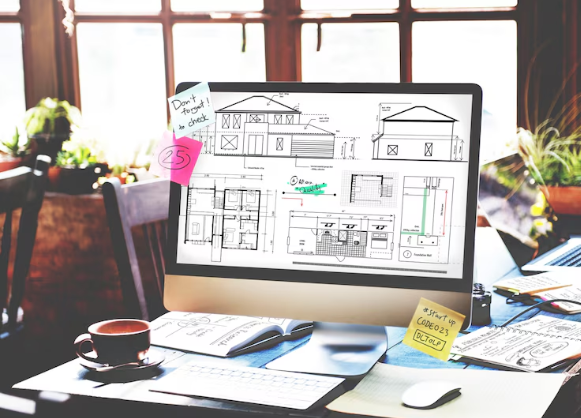
Top Architecture Design Consultants in Abu Dhabi
Embarking on a building project in Abu Dhabi can be a daunting task, but with the right architectural design firms by your side, it becomes a thrilling venture. Akkad Consultants stands out as a leading architecture consulting services provider, offering expert solutions for residential, commercial, and institutional projects.

With a team of experienced architects and designers, Akkad Consultants provides comprehensive services that cater to the diverse needs of their clients. For those seeking the best architects in Abu Dhabi, Akkad Consultants is a top choice, known for their innovative and functional designs. To explore how they can assist with your project, you can reach out to them at +97125620979.
Key Takeaways
- Expert architectural design services in Abu Dhabi
- Comprehensive solutions for various project types
- Experienced team of architects and designers
- Innovative and functional design solutions
- Contact Akkad Consultants at +97125620979 for inquiries
The Evolving Architectural Landscape of Abu Dhabi
Abu Dhabi's evolution into a modern metropolis is reflected in its diverse architectural styles, merging tradition with innovation. The city's architectural landscape has been shaped by its rich cultural heritage and rapid urbanization, resulting in a unique blend of historical and contemporary designs.
Historical Development of Architecture in the Emirates
The historical development of architecture in Abu Dhabi is a story of cultural and religious influences, with traditional Arabian architecture being a significant part of the city's heritage. The use of coral stone, wind towers, and intricate Islamic geometric patterns characterized the traditional buildings.
"The traditional Arabian architecture is not just about aesthetics; it's deeply rooted in the cultural and religious practices of the region," says a renowned architectural expert. This blend of functionality and cultural significance has influenced modern architectural practices in Abu Dhabi.
Modern Architectural Trends in Abu Dhabi
Modern Abu Dhabi is at the forefront of architectural innovation, with leading architecture firms pushing the boundaries of design and sustainability. The city's skyline is now dotted with iconic structures that blend traditional elements with contemporary designs, showcasing the city's commitment to innovation and aesthetic appeal.
Iconic Structures Defining the Skyline
Abu Dhabi's skyline is defined by iconic structures such as the Burj Khalifa, the Louvre Abu Dhabi, and the Sheikh Zayed Grand Mosque. These structures not only reflect the city's architectural prowess but also its ability to blend tradition with modernity.
Fusion of Traditional and Contemporary Designs
The fusion of traditional and contemporary designs is a hallmark of Abu Dhabi's modern architecture. Innovative design solutions incorporate elements such as Islamic geometric patterns, Arabic calligraphy, and traditional materials into modern buildings, creating a unique architectural identity.
As Abu Dhabi continues to evolve, its architectural landscape will remain a testament to the city's rich cultural heritage and its commitment to innovation and sustainability.
Akkad Consultants: Leading Architecture Firm in Abu Dhabi
Akkad Consultants stands out as a premier architecture firm in Abu Dhabi, renowned for its innovative designs and commitment to sustainability. With a strong portfolio that showcases its expertise in both residential and commercial projects, Akkad Consultants has established itself as a trusted name in the region's architectural landscape.
Company Profile and Prestigious Portfolio
Akkad Consultants boasts an impressive portfolio that reflects its dedication to delivering high-quality architectural solutions. The firm's projects range from luxurious residential villas to large-scale commercial developments, each demonstrating a keen eye for detail and a deep understanding of the local architectural context.
The company's expertise extends to institutional projects, where it has successfully integrated functionality with aesthetic appeal. By combining innovative design techniques with sustainable practices, Akkad Consultants has set a new benchmark for architectural excellence in Abu Dhabi.
Core Services and Specialized Expertise
Akkad Consultants offers a comprehensive range of services tailored to meet the diverse needs of its clients. From initial design concepts to project completion, the firm provides expert guidance and support throughout the development process.
Residential and Commercial Design Excellence
The firm's residential designs are characterized by their elegance and attention to detail, while its commercial projects are notable for their functionality and innovative use of space. Akkad Consultants' ability to balance aesthetics with practicality has earned it a reputation as one of the top architecture companies in the region.
Sustainable Building Solutions
In line with its commitment to sustainability, Akkad Consultants incorporates green building practices into its projects, ensuring that they not only meet but exceed environmental standards. This approach has positioned the firm as a leader in sustainable architecture in Abu Dhabi.
Client Testimonials and Success Stories
Clients of Akkad Consultants praise the firm for its professionalism, creativity, and ability to deliver projects on time and within budget. The firm's success stories are a testament to its dedication to excellence and its ability to turn vision into reality.
"Akkad Consultants exceeded our expectations with their innovative design and project management skills. Their commitment to sustainability and quality is truly commendable."
By consistently delivering high-quality architectural solutions, Akkad Consultants has established itself as one of the best architectural firms in UAE, trusted by clients across the region.
Top Architecture Design Consultants in Abu Dhabi: A Comprehensive Overview
Identifying the premier architecture firms in Abu Dhabi requires a thorough understanding of the industry's selection criteria and professional benchmarks. The process involves evaluating a firm's expertise, experience, and commitment to industry standards.
Selection Criteria for Premier Architecture Firms
When selecting a top architecture design consultant in Abu Dhabi, several factors come into play. These include:
- Expertise in handling complex architectural projects
- Experience in delivering projects that meet client expectations
- Commitment to adhering to industry standards and best practices
Accreditation and certification are crucial in ensuring that architecture firms meet the required professional standards. In Abu Dhabi, firms are expected to comply with local regulations and international best practices.
Industry Standards and Professional Benchmarks
Industry standards play a vital role in guiding the practices of architecture firms in Abu Dhabi. These standards are often set by local and international bodies.
Accreditation and Certification Requirements
Firms must obtain necessary accreditations and certifications to demonstrate their competence. This includes certifications from recognized bodies that attest to their ability to deliver high-quality architectural services.
Quality Assurance Protocols
Quality assurance protocols are essential in ensuring that projects are executed to the highest standards. These protocols involve regular audits, compliance checks, and continuous improvement processes.
Abu Dhabi's architectural landscape is witnessing significant growth, driven by the demand for innovative and sustainable design solutions.
Top architecture consultants are at the forefront of this growth, providing expertise that shapes the city's skyline.
By understanding the selection criteria and adhering to industry standards, clients can identify the best architecture design consultants in Abu Dhabi for their projects.
Innovative Design Solutions for Modern Buildings in the UAE
Modern buildings in the UAE require cutting-edge design approaches that address the unique challenges of the desert climate. The incorporation of sustainable architecture practices and smart building technologies is crucial in reducing energy consumption and environmental impact.
Sustainable Architecture Practices in Desert Climate
Sustainable architecture in the UAE involves designing buildings that are adapted to the harsh desert climate. This includes using materials and techniques that minimize heat gain, maximize natural ventilation, and reduce the need for artificial lighting. Efficient insulation and shading devices are key elements in maintaining a comfortable indoor environment while reducing energy consumption.
Smart Building Technologies and Integration
The integration of smart building technologies is transforming the way buildings operate in the UAE. These technologies enable real-time monitoring and control of various building systems, leading to improved efficiency and reduced costs.
Energy Management Systems
Energy management systems play a critical role in optimizing energy usage in modern buildings. By monitoring energy consumption in real-time, these systems help identify areas of inefficiency and enable corrective actions to be taken.
Automated Building Controls
Automated building controls enhance the operational efficiency of buildings by integrating various systems such as lighting, HVAC, and security. This integration enables a more streamlined and responsive building management system.
By embracing innovative design solutions, architects and builders in the UAE can create buildings that are not only aesthetically pleasing but also environmentally sustainable and technologically advanced.
The Role of Architectural Consultants in Abu Dhabi's Urban Development
Architectural consultants are pivotal in shaping Abu Dhabi's urban development, bringing together functionality and aesthetics. Their expertise ensures that the city's growth is both sustainable and visually appealing.
Master Planning and Strategic Urban Design
Effective master planning is crucial for Abu Dhabi's urban development. It involves creating comprehensive plans that guide the city's growth, ensuring that development is balanced and sustainable. Strategic urban design plays a key role in this process, focusing on creating vibrant public spaces that enhance the quality of life for residents.
"A well-designed city is not just about aesthetics; it's about creating a functional, livable environment that meets the needs of its inhabitants," says a leading architectural consultant.
Infrastructure Integration and Public Space Enhancement
Infrastructure integration is another critical aspect of urban development in Abu Dhabi. Architectural consultants work to ensure that new developments are seamlessly integrated with existing infrastructure, minimizing disruptions and enhancing the overall urban fabric.
Transportation Network Considerations
A key component of infrastructure integration is the consideration of transportation networks. Architectural consultants design developments that are well-connected to major roads, public transport, and other critical infrastructure, facilitating easy movement within the city.
Community-Centric Design Approaches
Community-centric design is at the heart of Abu Dhabi's urban development strategy. By prioritizing the needs and preferences of the community, architectural consultants create spaces that are not only functional but also foster a sense of community and belonging.
Community-centric design approaches involve engaging with local residents and stakeholders to understand their needs and aspirations, ensuring that developments are tailored to meet these requirements.
"The future of urban development in Abu Dhabi lies in creating sustainable, community-focused spaces that enhance the quality of life for its residents."
Specialized Architectural Services by Top Consultants in Abu Dhabi
Akkad Consultants and other premier firms in Abu Dhabi are at the forefront of delivering bespoke architectural solutions that blend functionality with aesthetic appeal. These top consultants offer a range of specialized services tailored to the diverse needs of their clients.
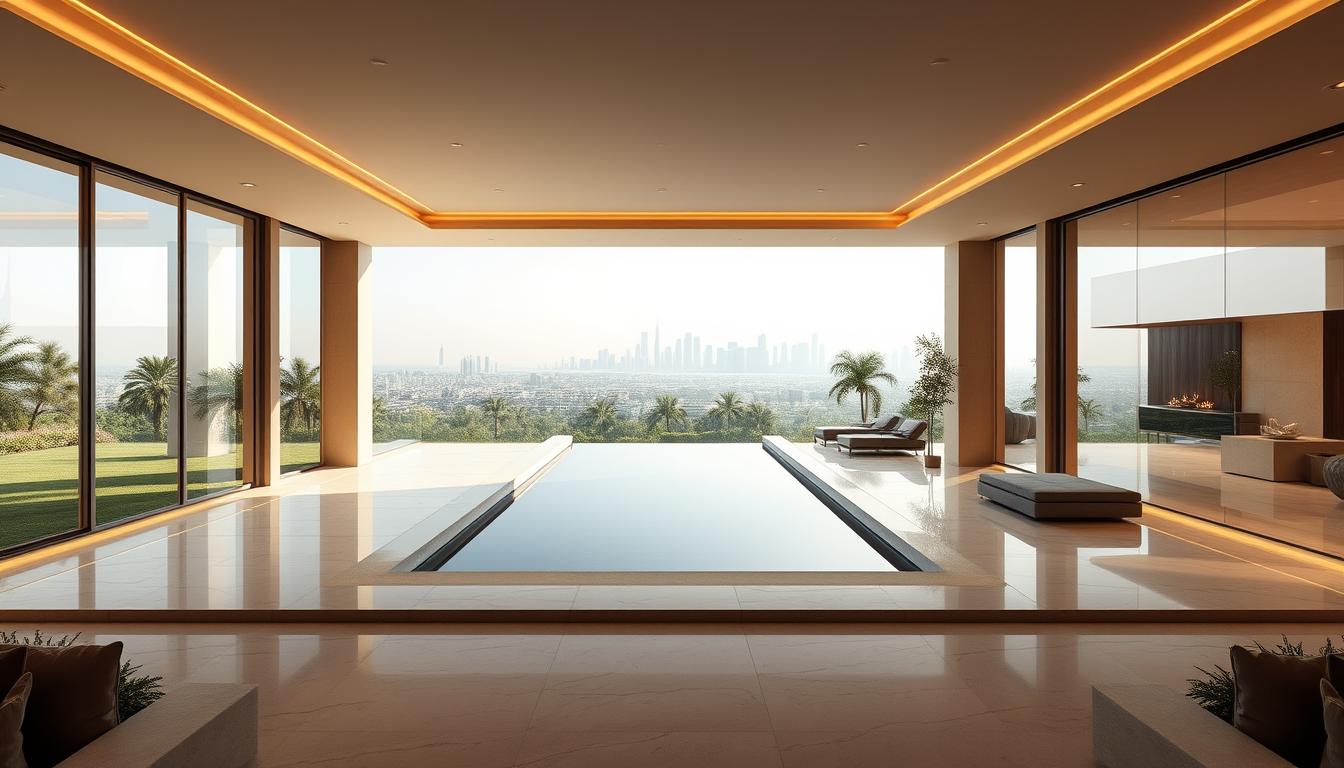
Luxury Residential Architecture
Luxury residential architecture is a hallmark of Abu Dhabi's architectural landscape. Top consultants like Akkad Consultants design opulent villas and apartments that reflect the region's rich cultural heritage while incorporating modern amenities and sustainable practices. These residences are not just homes but statements of luxury and sophistication.
Commercial and Corporate Design Solutions
Commercial and corporate design solutions are another area where Abu Dhabi's top consultants excel. They create modern, functional office spaces and retail environments that enhance brand identity and productivity. These designs are tailored to meet the specific needs of businesses, from startups to multinational corporations.
Cultural, Educational, and Healthcare Facilities
The design of cultural, educational, and healthcare facilities requires a deep understanding of the community's needs and the client's vision. Top consultants in Abu Dhabi have expertise in creating inspiring and functional spaces for museums, galleries, schools, and hospitals.
Museum and Gallery Design Expertise
Museum and gallery design is a specialized field that requires a unique blend of creativity and technical knowledge. Akkad Consultants and similar firms have a proven track record in designing engaging and interactive museum spaces that showcase the region's cultural and historical treasures.
Campus Planning and Educational Spaces
Campus planning and the design of educational spaces are critical for fostering learning and innovation. Top consultants in Abu Dhabi design educational facilities that are not only functional but also conducive to academic excellence and personal growth.
By leveraging their expertise and creativity, top architectural consultants in Abu Dhabi are shaping the future of the city's built environment. Whether it's a luxury residence, a commercial complex, or a cultural institution, these professionals are dedicated to delivering projects that are both beautiful and functional.
Navigating Regulatory Requirements for Architecture Projects in Abu Dhabi
Navigating the regulatory landscape in Abu Dhabi requires a deep understanding of local building codes and compliance standards. Architecture projects in the region must adhere to a complex set of regulations to ensure safety, sustainability, and aesthetic appeal.
Building Codes and Compliance Standards
Abu Dhabi's building codes are designed to ensure that structures are safe, accessible, and environmentally friendly. Compliance with these codes is not only mandatory but also crucial for obtaining the necessary permits to commence construction. Building codes cover various aspects, including structural integrity, fire safety, and energy efficiency.
"The building codes in Abu Dhabi are stringent and designed to protect the well-being of occupants and the environment," says a leading architectural consultant. "Compliance is key to avoiding costly delays and ensuring the project's success."
Permit Acquisition and Approval Processes
Obtaining the necessary permits is a critical step in the architectural project process. This involves submitting detailed plans and documentation to the relevant authorities for review and approval. The permit acquisition process can be lengthy and requires careful planning to avoid delays.
Municipality Requirements and Documentation
The Abu Dhabi Municipality has specific requirements for documentation, including detailed architectural plans, structural engineering reports, and environmental impact assessments. Ensuring that all documentation is complete and accurate is vital for a smooth approval process.
Timeline Management for Regulatory Approvals
Effective timeline management is crucial for navigating the regulatory approval process. This involves understanding the typical processing times for permit applications and planning accordingly to avoid project delays. Engaging with experienced architectural consultants can help streamline this process.
By understanding and complying with Abu Dhabi's regulatory requirements, architects and developers can ensure that their projects are completed on time, within budget, and to the required standards.
"Navigating regulatory requirements is a critical aspect of architecture projects in Abu Dhabi. By understanding the local building codes and compliance standards, architects can ensure that their projects meet the necessary regulations and are completed successfully."
Technology and Innovation in Architectural Design Consultancy
Akkad Consultants is leveraging the latest technological innovations to redefine architectural design consultancy. By embracing cutting-edge tools and methodologies, the firm is able to deliver designs that are not only aesthetically pleasing but also highly functional and sustainable.
3D Modeling and Virtual Reality Applications
The use of 3D modeling and virtual reality (VR) is revolutionizing the way architects design and present their projects. These technologies enable the creation of immersive experiences, allowing clients to fully engage with the proposed designs. Akkad Consultants utilizes 3D modeling to craft intricate designs and VR to simulate real-world environments, enhancing client understanding and satisfaction.
Parametric Design and Computational Architecture
Parametric design and computational architecture are at the forefront of innovation in architectural design. These methodologies involve using algorithms and computational tools to create complex geometries and optimize building performance. Akkad Consultants employs parametric design to push the boundaries of architectural creativity and computational architecture to ensure that designs are both innovative and feasible.
Building Information Modeling (BIM) Implementation
Building Information Modeling (BIM) is a digital representation of the physical and functional characteristics of a building. Akkad Consultants has adopted BIM to enhance the design process, improve accuracy, and reduce project timelines. By implementing BIM, the firm can simulate various scenarios, analyze building performance, and make informed decisions throughout the project lifecycle.
Digital Fabrication Techniques
The integration of digital fabrication techniques is transforming the construction industry. Akkad Consultants uses digital fabrication to create complex building components with high precision, reducing waste and improving construction efficiency. This technology enables the firm to bring innovative designs to life, pushing the boundaries of what is possible in architectural design.
Sustainability and Green Building Practices in Abu Dhabi
Abu Dhabi's architectural landscape is undergoing a significant transformation, driven by the need for sustainable and green building practices. As the city continues to grow and develop, there is an increasing emphasis on creating buildings that are not only aesthetically pleasing but also environmentally responsible.
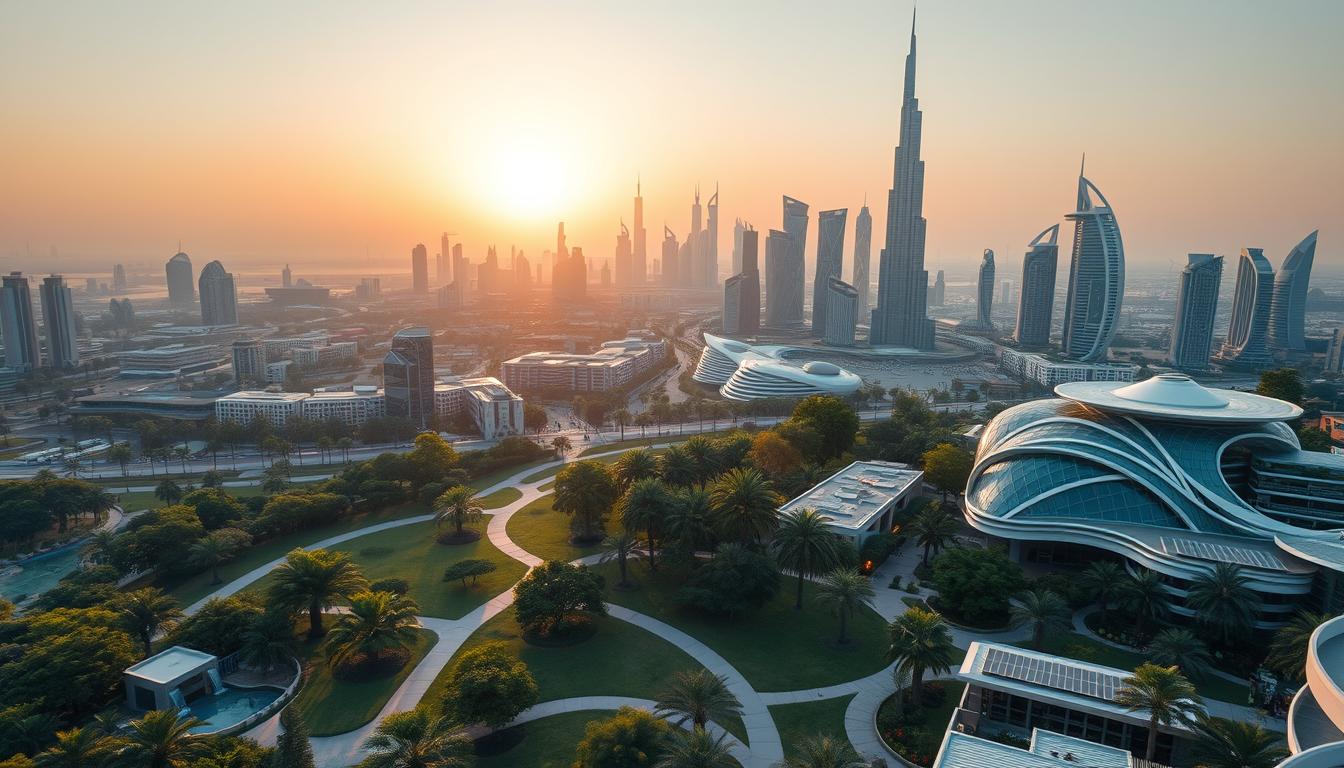
LEED Certification and Estidama Pearl Rating System
Abu Dhabi has adopted several green building rating systems to promote sustainability. Two of the most prominent frameworks are LEED Certification and the Estidama Pearl Rating System. LEED Certification is a globally recognized standard that evaluates the environmental performance of buildings, encouraging practices that reduce environmental impact.
The Estidama Pearl Rating System, on the other hand, is a locally developed framework that assesses the sustainability of buildings based on criteria such as energy efficiency, water conservation, and material selection. Both systems play a crucial role in guiding architects and developers towards more sustainable design and construction practices.
Energy Efficiency and Environmental Considerations
Energy efficiency is a critical component of green building practices in Abu Dhabi. Architects are incorporating various strategies to reduce energy consumption, including the use of energy-efficient systems, optimizing natural lighting, and improving insulation.
Water Conservation Strategies
Water conservation is another key aspect of sustainable building practices. Strategies include the use of low-flow fixtures, greywater reuse systems, and implementing efficient irrigation systems for landscaping. These measures help reduce the demand on potable water resources, contributing to a more sustainable water management system.
Renewable Energy Integration
The integration of renewable energy sources, such as solar power, is becoming increasingly common in Abu Dhabi's buildings. This not only reduces reliance on fossil fuels but also decreases the carbon footprint of buildings. Architects are designing buildings with integrated solar panels and other renewable energy systems, enhancing their sustainability credentials.
By embracing sustainability and green building practices, Abu Dhabi is setting a new standard for architectural design in the region. The incorporation of LEED Certification and the Estidama Pearl Rating System into building projects ensures that developments are not only innovative but also environmentally responsible.
Collaborative Approach by Best Architectural Firms in Abu Dhabi
In Abu Dhabi, the best architectural firms are known for their collaborative approach, which fosters strong relationships with clients and stakeholders. This approach ensures that projects are well-coordinated and that design intent is preserved throughout the construction phase.
Client-Consultant Relationship Management
Effective client-consultant relationship management is crucial for successful project outcomes. Akkad Consultants and other top firms prioritize regular communication, transparency, and trust-building to ensure client satisfaction. By doing so, they are able to deliver projects that meet and exceed client expectations.
Interdisciplinary Collaboration with Engineers and Contractors
Interdisciplinary collaboration is essential for delivering complex architectural projects. The best firms in Abu Dhabi work closely with engineers and contractors to ensure that design intent is preserved throughout the construction phase. This collaboration involves regular coordination and issue resolution to guarantee successful project outcomes.
Design Development Workshops
Design development workshops are an integral part of the collaborative process. These workshops bring together clients, architects, engineers, and contractors to discuss project details, address concerns, and align on project goals. By doing so, they ensure that all stakeholders are on the same page, reducing the risk of misunderstandings and errors.
Construction Phase Coordination
During the construction phase, coordination is critical to ensure that the project is executed according to plan. Top architectural firms in Abu Dhabi, including Akkad Consultants, engage in regular site visits, progress monitoring, and issue resolution to guarantee successful project outcomes.
Cost Considerations and Budget Management for Architectural Projects
In the realm of architectural design, cost considerations play a pivotal role in project feasibility. Effective budget management is essential to ensure that projects are completed on time and within financial constraints. Akkad Consultants, a leading architecture firm in Abu Dhabi, emphasizes the importance of balancing cost considerations with design quality to meet clients' expectations.
Value Engineering and Cost Optimization Strategies
Value engineering is a systematic method used to improve the value of a project by analyzing its functions and reducing costs. At Akkad Consultants, value engineering is applied to optimize costs without compromising the design intent. This involves evaluating building systems, materials, and construction methods to identify cost-saving opportunities.
Cost optimization strategies are also employed to minimize expenses while maintaining the project's quality and functionality. This includes selecting materials and systems that offer the best value for the client's investment.
Long-term Investment and Return Analysis
Architectural projects are significant investments that require careful consideration of long-term returns. Akkad Consultants conducts thorough analyses to ensure that clients' investments yield substantial returns over the project's lifecycle.
Material Selection and Cost Implications
The selection of materials has a significant impact on both the initial cost and the long-term maintenance expenses of a project. Material selection is therefore a critical aspect of cost management. Akkad Consultants works closely with clients to choose materials that balance initial costs with long-term durability and maintenance requirements.
Lifecycle Cost Assessment
A lifecycle cost assessment involves evaluating the total cost of ownership of a project, including initial costs, operating expenses, maintenance costs, and replacement costs over its lifespan. This comprehensive analysis helps clients understand the long-term financial implications of their investment decisions.
By adopting a holistic approach to cost management, Akkad Consultants ensures that architectural projects in Abu Dhabi are not only aesthetically pleasing and functional but also financially viable in the long term.
Partner with Akkad Consultants: Your Premier Architecture Design Consultant in Abu Dhabi
Akkad Consultants stands out as a leading architecture firm in Abu Dhabi, offering comprehensive architecture design consultancy services. With a strong commitment to innovation and sustainability, they cater to diverse client needs, from luxury residential projects to commercial and cultural developments.
As a premier architecture design consultant, Akkad Consultants brings extensive experience and expertise to the table. Their team of abu dhabi architecture experts is well-versed in navigating the region's regulatory landscape, ensuring seamless project execution.
To explore how Akkad Consultants can support your architectural needs, contact them at +97125620979. By partnering with Akkad Consultants, clients can benefit from tailored design solutions that blend functionality with aesthetic appeal, all while adhering to the highest standards of quality and sustainability.
FAQ
What services do top architecture design consultants in Abu Dhabi offer?
Top architecture design consultants in Abu Dhabi, such as Akkad Consultants, offer a range of services including residential, commercial, and institutional design, as well as sustainable building solutions and smart building technologies. You can contact them at +97125620979 for more information.
How do I choose the best architecture firm in Abu Dhabi for my project?
When selecting an architecture firm in Abu Dhabi, consider their expertise, experience, and commitment to industry standards. Look for firms that are accredited, certified, and have a strong portfolio of completed projects.
What are the key factors in sustainable architecture practices in the UAE?
Sustainable architecture practices in the UAE involve incorporating energy-efficient systems, renewable energy integration, and water conservation strategies into building designs. This helps reduce energy consumption and environmental impact.
How do architectural consultants contribute to Abu Dhabi's urban development?
Architectural consultants play a vital role in Abu Dhabi's urban development by contributing to master planning, strategic urban design, and infrastructure integration. They work closely with stakeholders to develop community-centric designs.
What are the benefits of using innovative design solutions for modern buildings in Abu Dhabi?
Innovative design solutions for modern buildings in Abu Dhabi offer several benefits, including reduced energy consumption, improved sustainability, and enhanced aesthetic appeal.
How can I ensure that my architecture project in Abu Dhabi meets regulatory requirements?
To ensure that your architecture project in Abu Dhabi meets regulatory requirements, work with an experienced architecture firm like Akkad Consultants that is familiar with local building codes, compliance standards, and permit acquisition processes.
What role does technology play in architectural design consultancy?
Technology plays a significant role in architectural design consultancy, enabling architects to create complex designs, simulate real-world conditions, and deliver innovative solutions. Tools like 3D modeling, virtual reality, and building information modeling (BIM) are commonly used.
How do top architecture design consultants in Abu Dhabi manage project costs?
Top architecture design consultants in Abu Dhabi manage project costs by employing value engineering and cost optimization strategies, conducting thorough lifecycle cost assessments, and selecting materials that balance cost and quality.
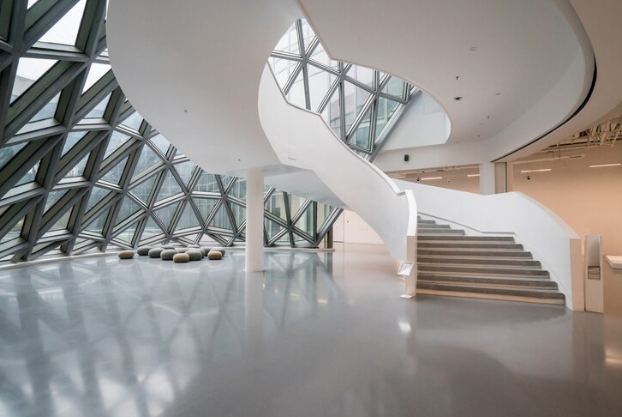
How to make concrete architecture model
To create a concrete architectural model, you can choose a design that you like and follow the instructions carefully. You'll need materials such as chipboard, foam, wood, plaster, and cement. First, create a mold using foam or chipboard. Pour the mixed cement into the mold and let it set. Once the concrete model has dried, carefully remove it from the mold. Add details such as walls, textures, and other architectural elements using wood or plaster. You can also use different scales and materials to make the model more realistic. Watch the tutorial videos for tips and advice on how to successfully create a scale model. In the end, you'll have a physical representation of your design that you can display or use for presentations.
Call Now +971 2 562 0979

Miniature Concrete Models of Brutalist Buildings
Model making enthusiasts who are fascinated by architecture have found a new way to express their creativity - by creating miniature concrete models of brutalist buildings. These 3 dimensional representations are painstakingly crafted by architects and model making enthusiasts who are dedicated to detail and artistry. The process involves creating a transcript of the building's description, then casting a 3D model using water and rockite, which is a type of cement. The base of the model is typically made from basswood or tile, and the finish is either white or black, depending on the architectural style being represented. The result is a perfect miniature piece of art that anyone can appreciate.
Model making with cement is not an easy task, as it requires fine detail work and expertise in casting and finishing. However, for those who are willing to put in the effort, the purposeful product can be exhibited to give others a unique view of a brutalist building. The models can be placed on a card or board for display, allowing anyone to enter into the world of architectural model making. The beauty of these miniature concrete models
How to make a concrete architectural model?
One idea for making a concrete architectural model is to start by gathering all the necessary materials such as cement, water, and a mold in the shape of the desired building. Before beginning the construction process, it is important to have a clear purpose in mind for the model. Once you have your materials ready, mix the cement and water together to form a smooth paste. Pour the mixture into the mold and allow it to set for at least 24 hours. Once the concrete has hardened, carefully remove the model from the mold. You can then print or transfer any details onto the surface of the model. To add a personal touch, you can even use music lyrics, news headlines, or any other text that you find meaningful. Lastly, don't forget to comment on your model to explain your design choices and thank the user for their input. With these steps, you can easily create a unique and visually striking architectural model using cement.
What materials are used to make architectural models?
I have come across many different materials used to make architectural models. From simple cardboard and foam board to more advanced materials like acrylic, wood, and even metal, there is a wide variety of stuff available for model making. These materials are often chosen based on the scale and complexity of the project, as well as the desired look of the final model.
Some architects prefer to use 3D printing technology to create their models, allowing for more intricate details and precise measurements. Others opt for traditional hand-crafted models using song techniques such as laser cutting or CNC machining. No matter the method, the end result is a physical representation of the design that can be presented to clients and stakeholders for review.
While there have been advancements in technology, such as virtual reality and augmented reality, that allow for more interactive presentations, there is still something special about a physical model. It gives clients a tangible look at what the final building will look like, and allows them to truly visualize the space.
Whether created with simple materials or advanced techniques, an architectural model would not be complete without attention to detail and precision. Architects put in hours of work to ensure that every element is accurately represented, down to the smallest 1 songs on a miniature furniture piece.
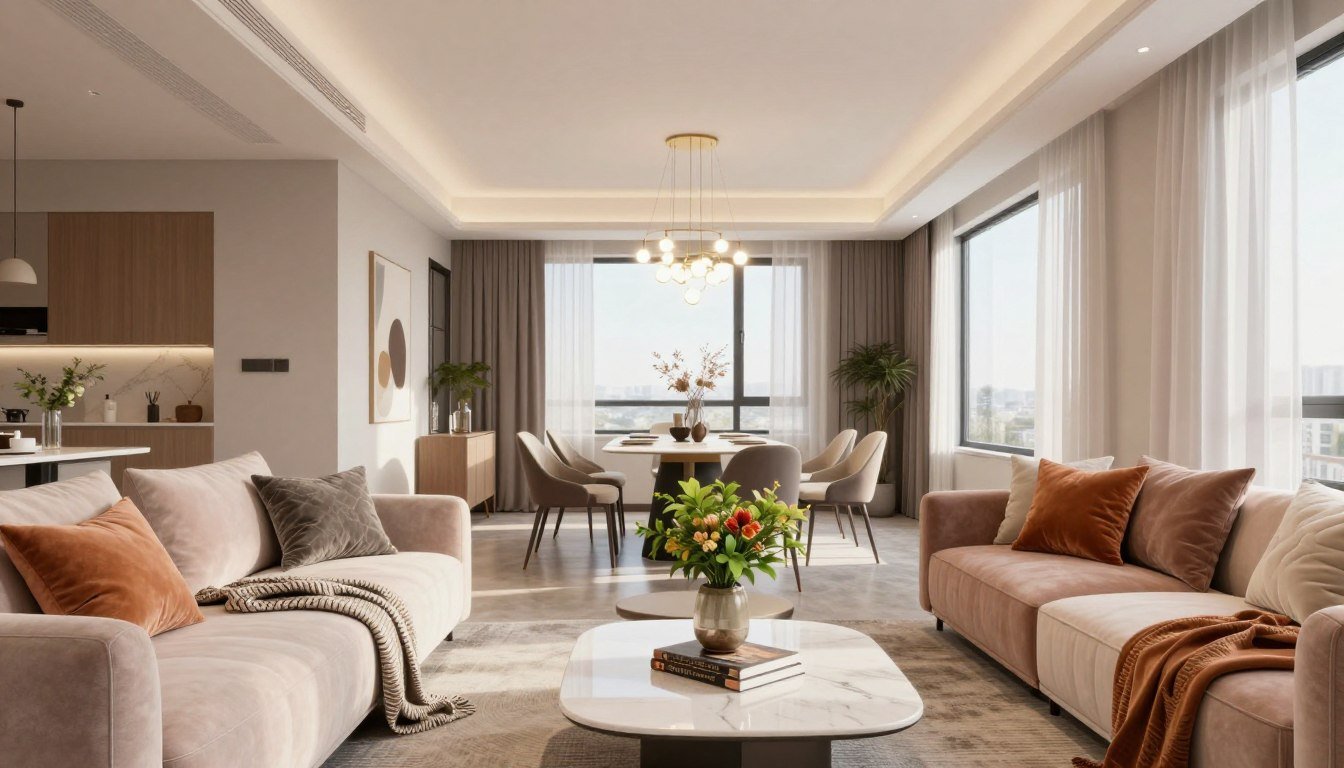
What is 3d Interior Design
"Design is not just about making things look pretty; it's about creating an experience." This quote by Jonathan Ive, a renowned designer, encapsulates the essence of 3D interior design. It's not just about aesthetics; it's about crafting a space that resonates with the inhabitants.

Call Now +971 2 562 0979
In the realm of modern home decor, 3D interior design has emerged as a game-changer. It allows homeowners and designers to visualize spaces in intricate detail before a single brick is laid or a piece of furniture is moved in. This technology has revolutionized the interior design industry, making it more efficient, cost-effective, and tailored to individual tastes.
As we delve into the world of 3D visualization and explore the latest interior design trends, it becomes clear that this technology is not just a fleeting trend but a significant shift in how we approach home decor.
Understanding What is 3D Interior Design
Understanding 3D interior design requires a look into its evolution, core components, and differences from traditional methods. The field of interior design has undergone significant transformations with the advent of technology.
The Evolution of Interior Design Technology
The evolution of interior design technology has been remarkable, shifting from manual drafting to sophisticated software that can create immersive 3D models. This technological advancement has enabled designers to better visualize and communicate their ideas.
With the rise of digital tools, the design process has become more efficient and accurate. Designers can now make changes in real-time and share their work easily with clients.
Core Components of 3D Interior Design
The core components of 3D interior design include advanced software and technology that facilitate the creation of interactive and immersive designs. These components enable designers to craft detailed models that can be manipulated and viewed from various angles.
Key elements such as lighting, textures, and materials are integral to creating realistic 3D designs. These elements help clients visualize the final product more effectively.
How 3D Design Differs from Traditional Methods
3D design differs significantly from traditional interior design methods, primarily in its ability to provide a three-dimensional visualization of the space. Unlike 2D drawings, 3D designs offer a more comprehensive understanding of the layout and aesthetics.
This difference allows for more effective communication between designers and clients, reducing misunderstandings and enhancing the overall design process.
The Benefits of 3D Interior Design for Homeowners
For homeowners in the UAE, embracing 3D interior design can revolutionize the way they experience their living spaces. This technology offers a multitude of benefits that can enhance the design process, making it more efficient, cost-effective, and tailored to individual tastes.
Visualizing Spaces Before Implementation
One of the primary advantages of 3D interior design is the ability to visualize spaces before any physical changes are made. This allows homeowners to see how different design elements will come together, making it easier to make informed decisions about their space. By previewing their designs in 3D, homeowners can experiment with various layouts and styles without the commitment of physical renovations.
Cost and Time Efficiency
3D interior design significantly reduces the time and cost associated with traditional design methods. By finalizing designs digitally, homeowners can avoid costly mistakes and changes during the construction phase. This efficiency not only saves money but also speeds up the overall design and construction process, allowing homeowners to enjoy their newly designed spaces sooner.
Reducing Design Errors and Disappointments
The precision of 3D interior design minimizes the risk of design errors and disappointments. With a clear, visual representation of the final product, homeowners and designers can identify and rectify potential issues early on. This proactive approach ensures that the final result aligns with the homeowner's expectations, reducing the likelihood of costly rework or dissatisfaction with the finished space.
Essential Tools and Software for 3D Interior Design
To create stunning 3D interior designs, professionals and homeowners alike turn to a variety of software and applications. The technology available today has revolutionized the field of interior design, making it easier to visualize and implement design concepts.
Professional 3D Design Software Options
For professionals, software like Autodesk Revit and SketchUp are industry standards. These tools offer advanced features for creating complex designs and detailed models. Autodesk Revit, for instance, is known for its Building Information Modelling (BIM) capabilities, which allow for intricate design details.
User-Friendly Apps for Homeowners
Homeowners can also benefit from 3D interior design using user-friendly apps like Homestyler and Planner 5D. These apps provide intuitive interfaces and a range of templates to help users create their own designs without needing extensive professional experience.

Call Now +971 2 562 0979
Virtual Reality Applications in Interior Design
The integration of Virtual Reality (VR) in interior design is a significant advancement. VR allows both designers and homeowners to immerse themselves in the design, offering a realistic preview of the final product. This technology can significantly reduce design errors and enhance client satisfaction.
With the variety of tools and software available, 3D interior design has become more accessible and efficient. Whether you're a professional or a homeowner, leveraging these technologies can greatly improve the design process.
The 3D Interior Design Process Explained
Creating a 3D interior design involves several key steps that bring your vision to life. This process is not just about visualizing a space; it's about meticulously planning and executing every detail to achieve a desired outcome.
Initial Measurements and Space Planning
The journey begins with taking precise measurements of the space and understanding the layout. Space planning is crucial as it determines the functionality and flow of the area. Accurate measurements ensure that the digital model is a true representation of the real space.
Creating the Digital Model
With measurements in hand, the next step is digital modeling. This involves using specialized software to create a 3D model of the space. The model serves as the foundation for the entire design process, allowing for the exploration of different layouts and designs.

Call Now +971 2 562 0979
Adding Materials, Textures, and Lighting
Once the digital model is created, the next step is to add materials and textures to give the space a realistic look. Lighting design is also crucial as it can dramatically change the ambiance of a room. These elements work together to create a visually appealing and realistic representation of the space.
Rendering and Presenting the Final Design
The final step is rendering the design, which involves generating a high-quality image or animation of the 3D model. This final rendering is then presented to the client, providing a clear and detailed visualization of the proposed design. It's an effective way to communicate the design intent and make any necessary adjustments before implementation.
3D Interior Design in the UAE Market
In the UAE, 3D interior design is revolutionizing the way luxury properties are marketed and designed. The technology has enabled homeowners and designers to visualize spaces before they are built, reducing the risk of costly changes down the line.
Luxury Visualization for High-End Properties
Luxury properties in the UAE are benefiting from 3D interior design through high-end visualization. This technology allows potential buyers to explore properties remotely, experiencing the design and layout in exquisite detail. It's particularly useful for off-plan properties, where the actual building hasn't started yet.
Cultural Elements in Modern 3D Design
The incorporation of cultural elements into 3D interior design is a significant trend in the UAE. Designers are using traditional motifs, patterns, and materials to create modern spaces that reflect the region's heritage. This blend of old and new is highly sought after by homeowners looking for unique, culturally relevant designs.
Leading 3D Interior Design Services in the UAE
Several top-tier design firms in the UAE are specializing in 3D interior design services. These companies are leveraging the latest software and technology to deliver stunning, realistic designs that meet the high standards of the UAE's luxury market. Their expertise is in high demand, both locally and internationally.
The future of interior design in the UAE looks bright, with 3D technology continuing to drive innovation and excellence in the field.
Taking Your Interior Design to the Next Dimension
As we've explored throughout this article, 3D interior design is revolutionizing the way we visualize and interact with our living spaces. By embracing this technology, homeowners and designers can unlock a world of possibilities, bringing their unique visions to life.
The future of interior design is undoubtedly tied to the advancements in 3D technology, offering a glimpse into the next dimension of spatial creativity. With the help of a 3D interior design company, you can experience contemporary interior design solutions that are both functional and aesthetically pleasing.
As modern interior design trends continue to evolve, incorporating 3D design elements will become increasingly important. Whether you're looking to renovate your current space or design a new one, leveraging 3D interior design can help you achieve your goals with precision and style.
By taking your interior design to the next dimension, you'll not only enhance the beauty of your space but also improve its functionality. The interior design future is here, and it's time to explore the endless possibilities that 3D design has to offer.