
How to Choose an Architect in Abu Dhabi
Selecting the right architect is a crucial step in any architectural project. As Zaha Hadid once said, "The most important thing is to be passionate about what you do, and that will make your work not feel like work."
When it comes to abu dhabi architect selection, it's essential to find a professional who is not only skilled but also passionate about their work. Akkad Consultants is a leading expert in the field, with a team of experienced architects who can guide you through the process. You can reach them at +97125620979 for expert advice.

Key Takeaways
- Understand the importance of selecting the right architect for your project.
- Research and shortlist potential architects in Abu Dhabi.
- Check the architect's portfolio and credentials.
- Contact Akkad Consultants at +97125620979 for expert guidance.
- Ensure the architect is passionate about their work.
Understanding the Architectural Landscape in Abu Dhabi
The architectural landscape of Abu Dhabi is characterized by its blend of traditional influences and cutting-edge modernity. This unique blend is a result of the city's rapid development and its efforts to preserve cultural heritage.
The Unique Architectural Style of Abu Dhabi
Abu Dhabi's architectural style is a fascinating mix of traditional Arabian elements and modern design principles. The city's buildings often incorporate traditional Islamic architectural features, such as arches and domes, alongside modern materials and technologies.
Traditional Influences in Modern Design
The use of traditional elements in modern architecture not only pays homage to the region's cultural heritage but also helps to create a sense of identity and community. Traditional influences can be seen in the incorporation of Arabic calligraphy, geometric patterns, and other local design elements into contemporary buildings.
Sustainability Requirements in Abu Dhabi
Sustainability is a key consideration in Abu Dhabi's architectural landscape. The city has implemented various initiatives aimed at reducing energy consumption and promoting environmentally friendly building practices. Efficient energy use and sustainable materials are now integral to the design of new buildings.
Current Trends in Abu Dhabi Architecture
Current trends in Abu Dhabi architecture include a focus on sustainable design and the incorporation of innovative technologies. The city's architects are continually pushing the boundaries of what is possible, resulting in a dynamic and evolving architectural landscape.
Regulatory Framework for Architecture in Abu Dhabi
Abu Dhabi has a well-established regulatory framework governing architectural practices. This framework ensures that buildings are designed and constructed to high standards, with a focus on safety, sustainability, and aesthetic appeal.
Essential Qualifications to Look for in an Abu Dhabi Architect
In Abu Dhabi's competitive architectural market, identifying the right qualifications in an architect can make all the difference in the success of your project. The qualifications of an architect are a critical factor in determining their ability to deliver high-quality designs and manage projects effectively.
Required Licenses and Certifications
Licenses and certifications are fundamental to an architect's credibility and competence. In Abu Dhabi, architects must comply with specific regulatory requirements.
Abu Dhabi Municipality Requirements
The Abu Dhabi Municipality has set forth specific requirements for architects practicing in the emirate. Architects must be registered with the municipality and hold a valid license to practice.
UAE-Specific Qualifications
Besides local requirements, architects in Abu Dhabi often hold qualifications recognized across the UAE. These qualifications ensure that architects are familiar with national building codes and regulations.
Educational Background and Professional Training
An architect's educational background and professional training are crucial indicators of their expertise. Look for architects with degrees from reputable institutions and those who have undergone rigorous professional training.
"The quality of an architect's work is directly related to their educational background and continuous professional development."
Membership in Professional Architectural Organizations
Membership in professional organizations is a strong indicator of an architect's commitment to staying updated with industry trends and best practices. In Abu Dhabi, architects often join organizations like the Emirates Architects Group or the Abu Dhabi branch of the American Institute of Architects.
By focusing on these essential qualifications, you can confidently select an architect in Abu Dhabi who possesses the necessary skills, knowledge, and experience to bring your project to life.
How to Choose an Architect in Abu Dhabi: Step-by-Step Process
Selecting the right architect in Abu Dhabi is a crucial step in bringing your project to life. The process involves several key considerations that can significantly impact the outcome of your project.
Defining Your Project Requirements
Before beginning your search for an architect, it's essential to clearly define your project requirements. This includes understanding the scope, objectives, and any specific needs you may have.
Residential vs. Commercial Considerations
The type of project you're undertaking, whether residential or commercial, will significantly influence your choice of architect. Residential projects often require a more personalized approach, focusing on the homeowner's specific needs and preferences. In contrast, commercial projects may prioritize functionality, sustainability, and compliance with local regulations.
Budget and Timeline Planning
Establishing a realistic budget and timeline is critical. Your architect should be able to work within these constraints to deliver a successful project. Consider factors such as material costs, labor expenses, and potential delays.
Creating a Shortlist of Potential Architects
Once you have defined your project requirements, the next step is to create a shortlist of potential architects. Look for firms or individuals with experience in projects similar to yours. Consider their portfolio, client testimonials, and any relevant certifications.
Conducting Initial Consultations
Initial consultations are an opportunity to assess the architect's approach, communication style, and understanding of your project. Prepare a list of questions to ask during these meetings, such as their experience with similar projects and their approach to problem-solving.
Making the Final Selection
After conducting initial consultations, you will be better positioned to make an informed decision. Consider factors such as the architect's expertise, their ability to meet your budget and timeline, and their overall compatibility with your project vision.
Evaluating an Architect's Portfolio and Previous Projects
Evaluating an architect's portfolio and previous projects is a critical step in the selection process. It allows you to assess their experience, style, and ability to handle projects similar to yours, especially in the context of Abu Dhabi's unique architectural landscape.
What to Look for in an Architectural Portfolio
When reviewing an architect's portfolio, look for projects that demonstrate their ability to design buildings that are both aesthetically pleasing and functional. Pay attention to the quality of the projects, the variety of their work, and their ability to adapt to different client needs.
"A good architect's portfolio should showcase a range of projects that highlight their versatility and expertise."
Assessing Project Similarity to Your Requirements
It's crucial to assess how similar the architect's previous projects are to your requirements. This includes considering factors such as project type, size, and complexity.
Abu Dhabi-Specific Project Experience
Experience working on projects in Abu Dhabi is invaluable. Look for architects who have worked on projects within the UAE, as they will be more familiar with local regulations, climate considerations, and cultural nuances.
Climate and Environmental Adaptations
Abu Dhabi's harsh desert climate means that buildings must be designed with specific adaptations to mitigate the effects of high temperatures and sandstorms. Look for architects who have incorporated climate-responsive design elements into their projects.
Visiting Completed Projects in Person
Whenever possible, visit completed projects in person. This will give you a firsthand look at the architect's work quality, attention to detail, and ability to bring their designs to life.
As "the best way to predict the future is to understand the past," evaluating an architect's previous projects can provide valuable insights into their potential to deliver your project successfully.
The Importance of Communication and Compatibility
When selecting an architect, understanding their communication style is crucial for project success. Effective communication ensures that your vision is accurately translated into the final product.
Assessing Communication Style and Responsiveness
An architect's responsiveness to your inquiries and their ability to clearly articulate their design decisions are critical. Look for an architect who is proactive in their communication, keeping you informed throughout the project lifecycle.
Cultural Understanding and Local Knowledge
Abu Dhabi's unique cultural context demands an architect with cultural understanding and local knowledge. This includes:
Familiarity with Abu Dhabi Customs and Preferences
An architect familiar with local customs can design buildings that are not only aesthetically pleasing but also culturally sensitive.
Language Capabilities for Diverse Clients
In a multicultural city like Abu Dhabi, an architect's ability to communicate in multiple languages can be a significant advantage, ensuring that all stakeholders are on the same page.
Compatibility with Your Vision and Working Style
It's essential to choose an architect who is compatible with your vision and working style. This compatibility fosters a smoother design process and ultimately leads to a more successful project outcome.
Understanding Architectural Fees and Budget Considerations
Understanding the fee structures used by architects in Abu Dhabi is essential for effective project budgeting. Architectural fees can significantly impact the overall cost of a construction project, and being informed about the different fee models and additional costs can help clients make better decisions.
Typical Fee Structures in Abu Dhabi
Architects in Abu Dhabi typically use one of two primary fee structures: percentage-based or fixed fee models.
Percentage-Based vs. Fixed Fee Models
A percentage-based fee is calculated as a percentage of the total construction cost. This model is often used for larger, more complex projects where the scope of work is not easily defined. In contrast, a fixed fee is a lump sum agreed upon for the entire project or specific services. This model provides cost certainty for clients and is commonly used for smaller, well-defined projects.

Regardless of the fee structure, architects usually outline a payment schedule tied to project milestones. For instance, a payment might be due upon completion of the schematic design phase or when construction documents are finalized. It's crucial for clients to understand these payment terms to manage their cash flow effectively.
Additional Costs to Anticipate
Beyond the architect's fees, clients should be aware of additional costs that may arise during the project. These can include expenses related to geotechnical investigations, environmental assessments, and special consultants such as structural engineers or interior designers.
Balancing Quality and Budget Constraints
As emphasized by industry experts, "
Effective project management involves balancing the client's budget constraints with the need for high-quality design and construction.
" To achieve this balance, clients should prioritize their needs, be flexible where possible, and work closely with their architect to identify cost-saving opportunities without compromising on essential design elements.
By understanding architectural fees and budget considerations, clients in Abu Dhabi can better navigate the process of hiring an architect and ensure their project is completed on time and within budget.
Key Questions to Ask When Interviewing Architects in Abu Dhabi
Asking the right questions is paramount when interviewing architects for your Abu Dhabi project. This step is crucial in assessing their suitability for your specific needs and ensuring a successful collaboration.
Questions About Experience and Expertise
Understanding an architect's experience and expertise is vital. You need to gauge their capability to handle your project effectively.
Local Project History in Abu Dhabi
Inquire about their past projects in Abu Dhabi to assess their familiarity with local regulations, climate considerations, and cultural nuances. Ask for specific examples of projects they've completed, such as residential buildings, commercial complexes, or public institutions. For instance, you might ask, "Can you share details about your most recent project in Abu Dhabi, including the challenges you faced and how you overcame them?"
Specialized Design Capabilities
Assess their design capabilities, especially if your project requires specialized skills, such as sustainable design or historic preservation. You might ask, "What experience do you have with sustainable design principles, and how have you applied them in previous projects?"
Questions About Project Management
Effective project management is critical to the success of your project. Ask questions that reveal their management style, tools, and strategies for handling potential issues.
For example, you could ask, "How do you prioritize tasks and manage your team during the project execution phase?" or "What project management software do you use, and how do you ensure all stakeholders are informed and aligned?"
Questions About Timeline and Deliverables
Understanding their approach to timelines and deliverables is essential for setting realistic expectations. Ask about their process for creating project schedules, milestones, and final deliverables.
Some potential questions include, "How do you handle delays or unforeseen complications in a project?" or "Can you walk me through your process for ensuring that all project deliverables meet the client's expectations?"
Reviewing Contracts and Legal Considerations
A well-drafted architectural contract is essential for the success of your project in Abu Dhabi. This contract serves as a legally binding agreement between you and the architect, outlining the scope of work, responsibilities, and terms of payment.

Essential Elements of an Architectural Contract
When reviewing an architectural contract, several key elements must be considered. These include the scope of work, timelines, payment schedules, and the responsibilities of both parties. Ensuring that these elements are clearly defined can help prevent misunderstandings and disputes down the line.
Understanding Intellectual Property Rights
Intellectual property rights are a critical aspect of any architectural contract. In Abu Dhabi, architects typically retain the copyright to their designs unless otherwise specified in the contract. It's crucial to understand who owns the rights to the design and how they can be used.
Dispute Resolution Clauses
Disputes can arise even with the best-planned projects. Including dispute resolution clauses in the contract can provide a clear process for resolving conflicts. This may involve mediation, arbitration, or litigation, depending on the preferences of the parties involved.
UAE-Specific Legal Frameworks
The UAE has its own set of laws and regulations governing architectural contracts. Familiarizing yourself with these UAE legal frameworks is vital to ensure compliance and to understand your rights and obligations under the contract.
Contract Termination Conditions
Understanding the conditions under which the contract can be terminated is also crucial. This includes notice periods, grounds for termination, and any associated penalties or obligations. Clear termination conditions can protect both parties' interests.
Top Architecture Firms in Abu Dhabi to Consider
For those seeking top architecture firms in Abu Dhabi, there are several notable options. The city's architectural landscape is diverse, featuring a range of established practices, boutique studios, and international firms with a local presence.
Established Architectural Practices
Abu Dhabi is home to several well-established architectural firms that have made significant contributions to the city's skyline. One such prominent firm is Akkad Consultants.
Akkad Consultants: Leading Architectural Expertise (+97125620979)
Akkad Consultants is renowned for its comprehensive architectural services, offering expertise in design, planning, and project management. With a strong portfolio of completed projects, they have established themselves as a leader in Abu Dhabi's architectural community.
Specialized Services Offered by Akkad Consultants
The firm provides a range of specialized services, including architectural design, urban planning, and interior design. Their team of experts works closely with clients to understand their needs and deliver tailored solutions that meet their expectations.
Boutique Architecture Studios
In addition to established firms, Abu Dhabi is also home to several boutique architecture studios. These smaller, often more agile firms, offer personalized services and innovative design solutions. They are known for their creativity and ability to handle unique projects.
International Firms with Local Presence
Several international architecture firms have a significant presence in Abu Dhabi, bringing global expertise to the local market. These firms often collaborate with local architects and contractors, combining international best practices with local knowledge to deliver high-quality projects.
When selecting an architecture firm in Abu Dhabi, it's essential to consider their portfolio, services, and experience. Whether you opt for an established practice like Akkad Consultants, a boutique studio, or an international firm, ensure that their vision aligns with your project requirements.
Making Your Final Decision: Selecting the Right Architect for Your Abu Dhabi Project
With a clear understanding of your project requirements, a shortlist of potential architects, and insights into their qualifications and working styles, you're now poised to make an informed decision when selecting the right architect in Abu Dhabi.
When choosing an architect for your Abu Dhabi project, consider how well their vision and expertise align with your goals. Review their portfolio, assess their communication skills, and evaluate their understanding of local regulations and cultural nuances.
The final decision architect should balance quality, budget, and timeline effectively. Ensure you understand their fee structure and the scope of services included. By carefully weighing these factors, you'll be able to choose an architect who brings your vision to life while meeting your project's unique needs in Abu Dhabi.
FAQ
What are the key qualifications to look for when hiring an architect in Abu Dhabi?
When hiring an architect in Abu Dhabi, look for qualifications such as licenses and certifications from the Abu Dhabi Municipality, UAE-specific qualifications, a strong educational background, and membership in professional architectural organizations.
How do I define my project requirements when selecting an architect in Abu Dhabi?
To define your project requirements, consider factors such as the type of project (residential or commercial), budget, and timeline. This will help you create a clear brief for potential architects and ensure they understand your needs.
What should I look for in an architect's portfolio when evaluating their suitability for my Abu Dhabi project?
When evaluating an architect's portfolio, look for projects similar to yours, experience working in Abu Dhabi, and adaptations to the local climate and environment. Visiting completed projects in person can also provide valuable insights.
How important is communication and compatibility when working with an architect in Abu Dhabi?
Effective communication and compatibility are crucial when working with an architect. Assess their communication style, responsiveness, cultural understanding, and local knowledge to ensure a smooth working relationship.
What are the typical fee structures used by architects in Abu Dhabi, and how can I balance quality with budget constraints?
Architects in Abu Dhabi may use percentage-based or fixed fee models. Understand the fee structure, additional costs, and payment schedules to balance quality with budget constraints. Consider factors such as the architect's experience, services offered, and the value they bring to your project.
What questions should I ask when interviewing architects in Abu Dhabi?
Ask questions about their experience, expertise, project management, and timelines. Inquire about their local project history, specialized design capabilities, and approach to managing your project.
What are the essential elements of an architectural contract in Abu Dhabi?
An architectural contract in Abu Dhabi should include essential elements such as scope of work, fee structure, payment schedules, intellectual property rights, dispute resolution mechanisms, and UAE-specific legal frameworks.
How can I contact Akkad Consultants for architectural services in Abu Dhabi?
You can contact Akkad Consultants at +97125620979 for expert architectural services in Abu Dhabi. They offer a range of services, including design, project management, and consultation.

Architectural Design Brief Sample Abu Dhabi
Creating a comprehensive architectural design brief Sample Abu Dhabi is crucial for the success of any building project in Abu Dhabi. But what elements make it truly effective?
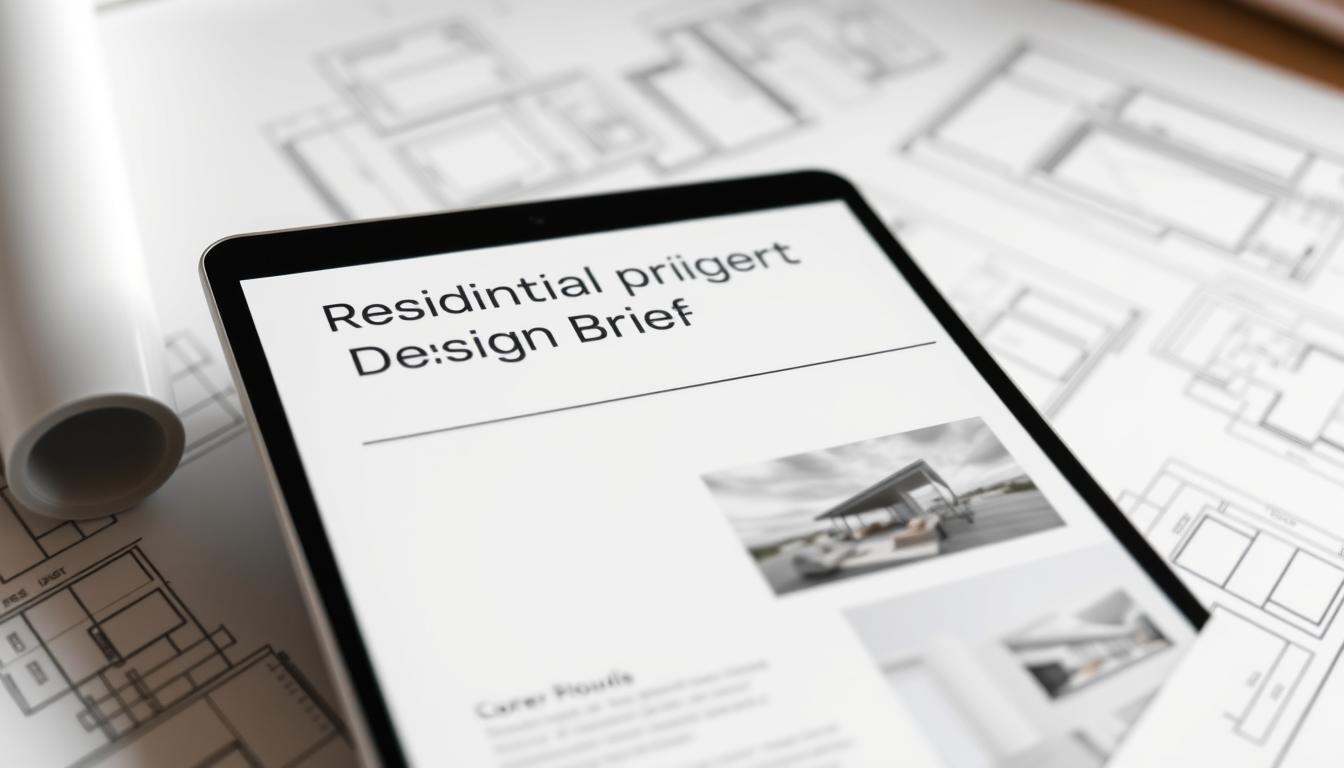
An architecture brief template serves as a guide, outlining the project's objectives, scope, and timelines. At Akkad Consultants, our experts understand the nuances of crafting a design brief that meets the unique needs of Abu Dhabi's architectural landscape. For professional assistance, reach out to us at +97125620979 or visit https://akkadconsultants.com/contact-five.
Key Takeaways
- Understanding the importance of a well-crafted architectural design brief.
- Identifying key elements of an effective architecture brief template.
- Recognizing the role of local expertise in Abu Dhabi's architectural design.
- Learning how to tailor a design brief to meet specific project needs.
- Discovering the benefits of collaborating with experienced consultants.
The Essence of Architectural Design Briefs
A well-crafted architectural design brief is essential for effective client-architect communication. It serves as a foundational document that outlines the project's objectives, scope, and requirements.
Definition and Purpose in Modern Architecture
The architectural design brief is a comprehensive document that defines the project's vision and objectives. It is a crucial tool in modern architecture, enabling clients and architects to align their expectations and work towards a common goal.
Client-Architect Communication Tool
As a communication tool, the design brief ensures that both parties are on the same page regarding project requirements, timelines, and budgets. This clarity helps prevent misunderstandings and ensures a smoother design process.
Project Vision Documentation
The brief also documents the project's vision, including aesthetic, functional, and sustainability requirements. This documentation is vital for guiding the design process and ensuring that the final product meets the client's needs.
Why Design Briefs Matter in Abu Dhabi's Development
Abu Dhabi's rapid development is guided by strategic plans like the Abu Dhabi Vision2030, which emphasizes sustainable development and innovative architecture. Design briefs play a crucial role in supporting this vision by ensuring that projects are aligned with the emirate's long-term goals.
Supporting the Abu Dhabi Vision2030
By incorporating the principles of Abu Dhabi Vision2030 into design briefs, architects and developers can create projects that not only meet current needs but also contribute to the emirate's future prosperity. For more information on how design briefs support Abu Dhabi's development, contact us to learn more about our expertise in crafting effective design briefs.
Architectural Design Brief Sample Abu Dhabi: Core Elements
In Abu Dhabi's competitive architectural landscape, a comprehensive design brief is key to project success. An architectural design brief sample serves as a foundational document that outlines project objectives, scope, and requirements.
Executive Summary Components
An effective executive summary is crucial for setting the tone of the project. It should include:
Project Overview Structure
A concise overview of the project, including its location, purpose, and key stakeholders.
Client Vision Statement
A clear articulation of the client's goals, aspirations, and design preferences.
Technical Requirements Section
The technical requirements section provides detailed specifications for the project. This includes:
Spatial Program Documentation
A detailed breakdown of the spatial requirements, including room sizes, adjacencies, and functional needs.
Performance Specifications
Outlines the performance criteria for various building systems, such as energy efficiency and acoustic performance.
Budget and Timeline Framework
A well-defined budget and timeline are essential for project success. This section should outline:
For a comprehensive architectural design brief sample, it's essential to include these core elements. By doing so, architects and developers can ensure that their projects meet client expectations and regulatory requirements. For expert guidance on creating an effective architectural design brief, reach out to our team of professionals.
Abu Dhabi's Regulatory Framework for Architectural Projects
Understanding Abu Dhabi's regulatory framework is crucial for architects and developers aiming to create compliant and sustainable projects. The emirate has established a comprehensive set of regulations and guidelines that govern architectural projects, ensuring they meet high standards of sustainability, safety, and aesthetic appeal.
Estidama Pearl Rating System Requirements
The Estidama Pearl Rating System is a key component of Abu Dhabi's sustainability initiatives. It provides a framework for assessing the environmental, social, and economic performance of buildings.
Mandatory Sustainability Metrics
Mandatory sustainability metrics under Estidama include energy and water efficiency, reduction of waste, and the use of sustainable materials. Buildings are rated based on their performance in these areas, with the Pearl Rating System awarding buildings from one to four pearls.
Abu Dhabi Urban Planning Council Guidelines
The Abu Dhabi Urban Planning Council (UPC) has developed guidelines that shape the urban landscape of the emirate. These guidelines cover various aspects, including zoning and land use.
Zoning and Land Use Considerations
Zoning regulations dictate how land can be used, ensuring that development is orderly and aligned with the emirate's master plans. Architects must be aware of these regulations to design projects that are compliant.
Building Codes and Compliance Documentation
Abu Dhabi has adopted international building codes, adapted to its local context. Compliance with these codes is mandatory, ensuring that buildings are safe and accessible.
Safety and Accessibility Standards
Safety and accessibility standards are critical components of the building codes. They ensure that buildings are designed to protect occupants and provide equal access to all users.
Our experts can guide you through Abu Dhabi's regulatory framework, ensuring your project meets all necessary requirements and achieves the desired level of sustainability and compliance.
Cultural and Environmental Considerations for Abu Dhabi Design Briefs
The unique blend of tradition and modernity in Abu Dhabi necessitates careful cultural and environmental considerations in architectural design briefs. This balance is crucial for creating buildings that are not only aesthetically pleasing but also sustainable and respectful of local customs.
Incorporating Islamic Architectural Elements
Islamic architecture plays a significant role in Abu Dhabi's built environment. Design briefs should include guidelines on incorporating traditional Islamic elements while allowing for modern interpretations.
Traditional Motifs and Patterns
Traditional Islamic motifs and patterns can be integrated into contemporary designs to maintain cultural continuity. These elements can be incorporated into various aspects of the building, from facade interior design.
Contemporary Interpretations
While respecting traditional designs, there's also a need for contemporary interpretations that reflect the evolving cultural landscape of Abu Dhabi. This can involve abstracting traditional motifs or using modern materials to create innovative designs.
Climate-Responsive Design Strategies
Abu Dhabi's harsh desert climate demands buildings that are designed to minimize energy consumption and maximize comfort. Climate-responsive design strategies are essential for achieving this.
Solar Orientation and Shading
Proper solar orientation and shading devices can significantly reduce the need for artificial cooling. Design briefs should specify requirements for these elements to ensure energy efficiency.
Thermal Performance Requirements
Buildings in Abu Dhabi must be designed to withstand high temperatures. Specifying thermal performance requirements in design briefs can help ensure that buildings remain comfortable while minimizing energy use.
Sustainable Design Approaches for Desert Climate
Sustainability is key to successful architectural projects in Abu Dhabi. Design briefs should promote water conservation and other sustainable practices.
Water Conservation Measures
Water conservation is particularly important in the desert climate of Abu Dhabi. Design briefs should include specifications for water-efficient systems and landscaping that minimizes water usage.
For culturally sensitive and environmentally responsive design briefs, contact Akkad Consultants. Their expertise can help ensure that your project meets the highest standards of sustainability and cultural relevance.
Crafting an Effective Architectural Design Brief
An effective architectural design brief is the foundation upon which successful projects are built in Abu Dhabi. It serves as a comprehensive guide that outlines the project's objectives, scope, and requirements. Our team can assist in crafting an effective architectural design brief that meets the unique needs of your project.
Client Requirement Gathering Techniques
Gathering client requirements is a critical step in creating a design brief. Techniques such as interviews and workshops are invaluable for understanding the client's needs and expectations.
Interview and Workshop Methods
Conducting interviews with key stakeholders and organizing workshops with project team members can provide insights into the project's requirements and help identify potential challenges early on.
Needs Assessment Documentation
Documenting the findings from these interactions is crucial. This involves creating a detailed report that outlines the client's needs, preferences, and expectations.
Defining Project Scope and Deliverables
Clearly defining the project scope and deliverables is essential for ensuring that all stakeholders are on the same page. This involves identifying the boundary conditions that will impact the project's design and execution.
Boundary Condition Identification
Identifying the boundary conditions, such as site constraints and regulatory requirements, helps in shaping the project's design and ensuring compliance with local regulations.
Establishing Design Criteria and Constraints
Establishing clear design criteria and understanding the project's constraints are vital for guiding the design process. This includes defining performance metrics that will be used to measure the project's success.
Performance Metrics Definition
Defining performance metrics involves identifying the key indicators that will be used to assess the project's performance, such as energy efficiency and sustainability.
Residential Project Design Brief Templates for Abu Dhabi
Residential projects in Abu Dhabi demand a tailored approach, starting with a comprehensive design brief. A well-crafted design brief is essential for ensuring that residential projects meet the unique cultural, regulatory, and environmental requirements of the region.
Villa and Palace Design Brief Structure
When designing villas and palaces, it's crucial to consider the specific needs of the occupants. Family living requirements are a key aspect, including the need for spacious living areas and private outdoor spaces.
Family Living Requirements
A villa design brief should detail the requirements for family living, including the number of bedrooms, entertainment areas, and domestic staff quarters. For instance, a typical villa might include "a majlis for receiving guests, private courtyards, and a swimming pool," as noted by architects familiar with Abu Dhabi's residential design trends.
Cultural Privacy Considerations
Cultural privacy is a significant consideration in Abu Dhabi's residential architecture. Design briefs should specify requirements for privacy, such as the orientation of buildings, window placements, and the use of screening elements.
Apartment and Multi-Family Housing Requirements
Apartment and multi-family housing projects have their own set of requirements, including common area specifications and unit mix and typologies.
Common Area Specifications
The design brief should outline the specifications for common areas such as gyms, pools, and community spaces. These areas should be designed to meet the needs of residents while adhering to local regulations.
Unit Mix and Typologies
Defining the unit mix and typologies is critical for multi-family housing projects. The brief should specify the number of units, their sizes, and the types of amenities to be included.
Sample Sections and Content Organization
A comprehensive design brief template can streamline the process of creating detailed project requirements. For downloadable template elements, contact us to access resources tailored to Abu Dhabi's residential projects.
Commercial and Mixed-Use Project Brief Examples
Creating effective design briefs for commercial and mixed-use projects is crucial in Abu Dhabi's real estate market. These projects require a comprehensive understanding of various factors, including client requirements, regulatory compliance, and cultural considerations.
Office Building Design Brief Components
Office building design briefs must include detailed components such as workspace planning requirements and technology infrastructure specifications.
Workspace Planning Requirements
Efficient workspace planning is essential for office buildings. This includes considerations for open office layouts, private offices, and collaborative workspaces. The design brief should specify the required flexibility to accommodate different business needs.
Technology Infrastructure Specifications
Modern office buildings require advanced technology infrastructure, including high-speed internet connectivity, smart building systems, and secure data storage. The brief should outline the specific technological requirements for the project.
Retail and Hospitality Project Requirements
Retail and hospitality projects have unique requirements that must be addressed in the design brief. Customer experience considerations are paramount, including the design of retail spaces, hospitality facilities, and amenities.
Customer Experience Considerations
The design brief should focus on creating an engaging customer experience through thoughtful design elements, such as layout, lighting, and branding opportunities.
Mixed-Use Development Considerations
Mixed-use developments combine residential, commercial, and sometimes industrial spaces. The design brief must address the complexities of integrating different functions within a single development.
Integration Strategies Between Functions
Effective integration strategies are crucial for mixed-use developments. This includes designing shared amenities, ensuring privacy where needed, and creating a cohesive overall design that enhances the user experience.
For expert guidance on creating comprehensive commercial and mixed-use project briefs, reach out to our team of professionals who specialize in Abu Dhabi's real estate market.
Institutional Building Design Brief Templates
Institutional buildings, such as mosques, educational facilities, and cultural centers, require meticulous design briefs to ensure their successful execution in Abu Dhabi's architectural landscape. These buildings serve as community hubs and play a significant role in the social and cultural fabric of the region.
Mosque and Religious Building Requirements
Designing mosques and religious buildings involves specific considerations, including the orientation towards the Qibla and the incorporation of Islamic architectural elements. A well-crafted design brief should address these aspects.
Worship Space Planning
The worship space is a critical component of a mosque. The design brief should specify requirements for the prayer hall, including its size, orientation, and acoustic considerations.
Ablution and Support Facilities
In addition to the worship space, the design brief should also cover the planning of ablution facilities, restrooms, and other support areas, ensuring they meet the needs of the users.
Educational Facility Design Considerations
Educational facilities require design briefs that focus on creating conducive learning environments. This includes specifications for classrooms, libraries, and other educational spaces.
Learning Environment Specifications
The design brief should outline the requirements for modern educational facilities, including technology integration, flexible learning spaces, and sustainability features.
Cultural Center and Museum Brief Components
Cultural centers and museums require design briefs that address exhibition spaces, conservation areas, and visitor facilities. The brief should ensure that these spaces are designed to preserve and showcase cultural heritage.
Exhibition and Conservation Requirements
The design brief should specify the needs for exhibition spaces, including lighting, climate control, and security. Conservation areas should also be planned to ensure the preservation of artifacts.
For expert guidance on crafting institutional building design brief templates, consider consulting with professionals like Akkad Consultants, who have experience in handling complex design projects in Abu Dhabi.
Technology Integration in Abu Dhabi Design Briefs
Abu Dhabi's vision for a smart and sustainable future is heavily reliant on the effective integration of technology in architectural design briefs. As the city continues to evolve, the incorporation of advanced technologies is becoming a crucial aspect of modern building design.
Smart Building Requirements
Smart building technology is revolutionizing the way buildings are designed, constructed, and operated. In Abu Dhabi, smart building requirements are being integrated into design briefs to enhance building performance, reduce energy consumption, and improve occupant experience.
Building Management Systems
Building Management Systems (BMS) are a critical component of smart buildings, enabling the centralized control and monitoring of various building systems, including HVAC, lighting, and security. Effective BMS integration is essential for optimizing building performance and reducing operational costs.
IoT Integration Specifications
The Internet of Things (IoT) is playing an increasingly important role in smart building design. IoT integration specifications are being included in design briefs to enable the seamless integration of IoT devices and systems, enhancing building functionality and occupant experience.
BIM and Digital Design Specifications
Building Information Modeling (BIM) is transforming the construction industry by enabling the creation of detailed digital models of buildings. In Abu Dhabi, BIM is being increasingly adopted for architectural projects, enhancing collaboration, reducing errors, and improving project outcomes.
Level of Development Requirements
The Level of Development (LOD) is a critical aspect of BIM implementation, defining the level of detail and accuracy required for digital models. Design briefs are specifying LOD requirements to ensure that digital models meet project needs and standards.
Future-Proofing Considerations
As technology continues to evolve, future-proofing is becoming a key consideration in architectural design. Design briefs are incorporating requirements for adaptability and flexibility to ensure that buildings remain relevant and functional over their lifespan.
Adaptability and Flexibility Metrics
Design briefs are including metrics for assessing adaptability and flexibility, enabling architects and builders to design buildings that can adapt to changing user needs and technological advancements.
For guidance on technology integration in design briefs, reach out to us to explore how we can support your project's technological needs.

Case Studies: Successful Design Briefs in Abu Dhabi
Successful design briefs have been instrumental in shaping Abu Dhabi's modern architecture, blending tradition with innovation. This section examines three landmark projects that exemplify the power of well-crafted design briefs in the region.
Louvre Abu Dhabi Design Brief Analysis
The Louvre Abu Dhabi, designed by Jean Nouvel, is a testament to the effectiveness of a clear and comprehensive design brief. The brief emphasized the need for a cultural landmark that would reflect Abu Dhabi's cultural aspirations and architectural heritage.
Cultural and Environmental Responses
The design brief for the Louvre Abu Dhabi called for a building that would not only be an iconic cultural institution but also respond to the harsh desert environment. The result was a structure that incorporates traditional Arabian elements with modern architectural techniques, creating a unique cultural and environmental response.
Etihad Towers Project Requirements Review
The Etihad Towers complex is another example of a successful design brief in Abu Dhabi. The brief required a mixed-use development that would include residential, commercial, and hospitality elements, all while maintaining a high level of architectural excellence.
Mixed-Use Integration Strategies
The design brief for Etihad Towers necessitated the integration of various functions within a single complex. The outcome was a sophisticated urban development that showcases Abu Dhabi's ability to host complex, multi-faceted projects.
Sheikh Zayed Grand Mosque Design Approach
The Sheikh Zayed Grand Mosque is a revered landmark in Abu Dhabi, and its design brief is a prime example of how traditional and contemporary elements can be balanced. The brief called for a mosque that would be not only a place of worship but also a symbol of Islamic faith and culture.
Traditional and Contemporary Balance
The design approach for the Sheikh Zayed Grand Mosque achieved a perfect balance between traditional Islamic architectural elements and contemporary design principles. This balance has made the mosque a beloved landmark and a significant cultural icon.
For more information on how to craft successful design briefs for your architectural projects, contact us to explore how our expertise can benefit your next project.
Common Pitfalls in Architectural Design Briefs
Crafting an architectural design brief is a nuanced process, prone to several common pitfalls that can significantly impact project outcomes. A well-crafted brief is essential for the success of architectural projects, particularly in a region like Abu Dhabi, where regulatory compliance and cultural sensitivity are paramount.
Ambiguous Project Requirements
One of the primary pitfalls is having ambiguous project requirements. This can lead to misunderstandings and misinterpretations among stakeholders, potentially derailing the project.
Clarity and Specificity Techniques
To avoid this, employing clarity and specificity techniques is crucial. This includes clearly defining project goals, stakeholder roles, and expected outcomes.
Overlooking Local Regulations
Another significant pitfall is overlooking local regulations. Abu Dhabi has a stringent regulatory framework, including the Estidama Pearl Rating System and specific building codes.
Compliance Checklist Approach
Implementing a compliance checklist can help ensure that all regulatory requirements are met. This proactive approach can mitigate the risk of non-compliance and associated penalties.
Inadequate Budget and Timeline Planning
Inadequate budget and timeline planning can also severely impact a project's success. It's essential to allocate realistic resources and establish a feasible project timeline.
Realistic Resource Allocation
Achieving realistic resource allocation involves thorough analysis and planning. This includes understanding the project's scope, identifying potential risks, and developing contingency plans.
To avoid these common pitfalls, it's advisable to consult with experts who have a deep understanding of Abu Dhabi's architectural landscape and regulatory requirements. By doing so, you can ensure that your architectural design brief is comprehensive, compliant, and poised for success.
Expert Architectural Design Brief Services in Abu Dhabi
Creating a comprehensive architectural design brief is crucial for the success of any building project in Abu Dhabi. For expert guidance, consider partnering with seasoned professionals like Akkad Consultants, who specialize in crafting tailored design briefs that meet the unique needs of clients and projects.
With extensive experience in handling diverse projects, from residential villas to commercial complexes, Akkad Consultants brings a deep understanding of Abu Dhabi's regulatory landscape, including Estidama Pearl Rating System and local building codes. Their expertise ensures that your project is well-planned, compliant with local regulations, and optimized for sustainability.
To leverage their expert architectural design brief services in Abu Dhabi, you can reach out to Akkad Consultants at +97125620979 or visit their contact page at https://akkadconsultants.com/contact-five. By doing so, you'll be taking a significant step towards ensuring your project's success in the vibrant city of Abu Dhabi.
FAQ
What is an architectural design brief sample, and why is it important in Abu Dhabi's development?
An architectural design brief sample is a document outlining the requirements and objectives of an architectural project. It is crucial in Abu Dhabi's development as it ensures that projects align with the city's vision and regulatory framework, such as the Abu Dhabi Vision2030.
What are the core elements of an architectural design brief sample in Abu Dhabi?
The core elements include an executive summary, technical requirements section, and budget and timeline framework. These components provide a comprehensive overview of the project, outlining the client's vision, technical specifications, and project constraints.
How do design briefs support Abu Dhabi's regulatory framework?
Design briefs support Abu Dhabi's regulatory framework by incorporating requirements from the Estidama Pearl Rating System, Abu Dhabi Urban Planning Council guidelines, and building codes. This ensures that projects meet sustainability, safety, and accessibility standards.
What cultural and environmental considerations are essential for Abu Dhabi design briefs?
Cultural considerations include incorporating Islamic architectural elements, while environmental considerations involve climate-responsive design strategies and sustainable design approaches. These elements are vital for creating buildings that are responsive to Abu Dhabi's cultural and environmental context.
How can technology integration enhance Abu Dhabi design briefs?
Technology integration, such as smart building requirements and BIM specifications, can enhance design briefs by improving building performance, adaptability, and sustainability. This can lead to more efficient and effective project outcomes.
What are common pitfalls in architectural design briefs, and how can they be avoided?
Common pitfalls include ambiguous project requirements, overlooking local regulations, and inadequate budget and timeline planning. These can be avoided by using clarity and specificity techniques, compliance checklists, and realistic resource allocation.
How can I obtain expert architectural design brief services in Abu Dhabi?
For expert architectural design brief services in Abu Dhabi, you can contact Akkad Consultants at +97125620979 or visit their website at https://akkadconsultants.com/contact-five.
What is the significance of a well-crafted design brief in ensuring successful project outcomes?
A well-crafted design brief is essential for ensuring successful project outcomes as it clearly communicates the client's requirements, project scope, and design criteria. This helps to prevent misunderstandings and ensures that the project meets the client's expectations.
Top Interior Design Company in Abu Dhabi
Elevate your space with the expertise of a renowned luxury interior design team in Abu Dhabi. Our award-winning professionals are dedicated to transforming spaces into stunning works of art.

With a passion for creativity and a keen eye for detail, we craft bespoke interiors that reflect your unique style and sophistication. Our team's extensive experience in handling high-end projects ensures that every aspect of your space is meticulously designed.
Key Takeaways
Expertise in luxury interior design
Award-winning team of professionals
Bespoke interiors tailored to your style
Extensive experience in high-end projects
Meticulous attention to detail in every design
Transforming Luxury Spaces in for
Transforming spaces into luxurious havens is what we do best in Abu Dhabi. Our team of expert designers and craftsmen are dedicated to creating interiors that are not just visually stunning but also reflect the unique personalities of our clients.
Our Design Philosophy and Vision
Our design philosophy is centered around creating spaces that are both luxurious and livable. We believe in pushing the boundaries of innovation while maintaining a deep respect for traditional craftsmanship. Our vision is to make every space we design a reflection of our clients' aspirations and tastes.
Meeting the Needs of Abu Dhabi's Elite: luxury interior design Abu Dhabi, high-end interior design Abu Dhabi
Understanding the unique needs of Abu Dhabi's elite is at the core of our service. We offer bespoke luxury interior design solutions that cater to the discerning tastes of our high-end clients. From opulent villas to sophisticated apartments, our designs are tailored to provide the ultimate in comfort and style.
Our expertise in high-end interior design in Abu Dhabi ensures that every project is executed with precision and flair, making us the go-to choice for those seeking the very best.
The Best Interior Design Company in Abu Dhabi: Our Distinct Approach
Our interior design philosophy is rooted in a client-centered collaborative approach, ensuring that every project is tailored to our clients' needs. "We believe that the best designs come from a deep understanding of our clients' visions and goals," says our lead designer.
Cultural Sensitivity in Abu Dhabi
We understand the importance of cultural sensitivity in Abu Dhabi's luxury market. Our team is well-versed in the local culture and aesthetics, ensuring that our designs are not only beautiful but also respectful of the region's heritage.
Local Understanding with Global Vision
Our team's unique blend of local understanding and global vision enables us to craft designs that are both sophisticated and contextually relevant. We stay up-to-date with the latest global design trends while being mindful of the local culture and regulations.
Client-Centered Collaborative Approach
We work closely with our clients to understand their needs and preferences, ensuring that every project is tailored to their unique requirements. Our collaborative approach enables us to deliver designs that exceed our clients' expectations.
By combining our local understanding, global vision, and client-centered approach, we create luxury spaces that are truly exceptional. As a leading interior design company in Abu Dhabi, we are committed to delivering high-quality designs that meet the needs of our discerning clients.
Comprehensive Interior Design Services for Every
Our comprehensive interior design services are designed to transform any space into a stunning environment that resonates with our clients' visions. With a keen eye for detail and a deep understanding of the latest design trends, we cater to the diverse needs of our clients across various sectors.
Luxury Residential Design Excellence
We specialize in crafting luxurious residential spaces that exude elegance and sophistication. Our team works closely with homeowners to understand their preferences and aspirations, delivering bespoke interior designs that reflect their unique style.
Luxury Features: High-end finishes, bespoke furniture, and advanced smart home technologies.
Commercial
Our commercial interior design services are tailored to create functional and inviting spaces that enhance productivity and brand image. We understand the importance of creating an environment that fosters business growth and employee well-being.
Commercial Highlights: Ergonomic workspaces, brand-aligned decor, and sustainable design solutions.
Retail and Exhibition Space
For retail and exhibition spaces, we design captivating environments that draw customers in and create memorable brand experiences. Our designs are centered around maximizing customer engagement and showcasing products effectively.
With years of experience, we've honed our skills in crafting stunning luxury interiors in Abu Dhabi. Our comprehensive interior design services cater to the diverse needs of our clients, ensuring that every project is a masterpiece.
Initial Consultation and Vision
Our process begins with an initial consultation to understand our client's vision and preferences. This meeting allows us to discuss project requirements, timelines, and budgets, ensuring we're aligned with our client's expectations.
Expert Implementation and Project
Our team of experts handles every aspect of the project, from design conceptualization to implementation. We manage the project timeline, ensuring that every detail is executed flawlessly.
Final Styling and Client Handover
The final stage involves styling the space with carefully selected furnishings and decor. Once complete, we hand over the project to our client, ensuring they're completely satisfied with the result.
Contemporary Apartment Designs in Reem
We've had the pleasure of working on several contemporary apartment designs in Reem, incorporating the latest trends and technologies. Our designs are tailored to meet the unique needs of our clients, ensuring a perfect blend of style and functionality.
Elegant Hospitality Projects Pool
Our portfolio includes elegant hospitality projects that showcase our ability to create inviting and luxurious spaces. From hotel interiors to restaurant designs, we've worked on a variety of projects that exceed our clients' expectations.
In the heart of Abu Dhabi, our interior design company is revolutionizing the concept of luxury living. With a deep understanding of the local culture and a keen eye for global trends, we create spaces that are both elegant and functional.
Our team of expert designers works closely with clients to understand their unique needs and preferences, ensuring that every project is tailored to their individual style.
Designing for Luxury and Comfort
We believe that luxury interior design is not just about aesthetics; it's also about creating a comfortable and inviting atmosphere. Our designers use only the finest materials and techniques to craft bespoke interiors that exceed our clients' expectations.
Luxury interior design in Abu Dhabi is all about blending traditional elements with modern sophistication. We achieve this by incorporating high-end finishes, sophisticated color palettes, and innovative lighting solutions into our designs.
Our Design Process
Our design process is collaborative and client-centered. We begin with an initial consultation to understand our clients' vision and objectives. From there, we develop a comprehensive design plan that includes 3D visualizations and detailed specifications.
By combining these elements, we create truly exceptional interior design solutions that meet the highest standards of luxury and sophistication.
At our interior design company, we cater to your deepest wishes, creating spaces that are not only visually stunning but also tailored to your lifestyle.
With a keen eye for detail and a passion for luxury interior design in Abu Dhabi, our team is dedicated to delivering high-end spaces that reflect your unique taste and aspirations.
Our approach is centered around understanding your needs and desires, ensuring that every element of the design, from the color palette to the furniture, is carefully selected to create a harmonious and elegant environment.
By combining local understanding with global design trends, we craft interiors that are both sophisticated and culturally relevant, making your space truly special.
With 9 key elements, our design process ensures a comprehensive approach to creating your dream space, from initial consultation to final handover.
Luxury interior design in Abu Dhabi has reached new heights with our innovative and bespoke design solutions. Our team has been at the forefront of creating stunning luxury spaces that reflect the unique tastes and preferences of our discerning clients.
Personalized Design Approach
At our core, we believe in a personalized design approach that caters to the individual needs of each client. Our designers work closely with clients to understand their vision, preferences, and lifestyle, ensuring that every detail is meticulously considered.
Initial consultations to understand client needs
Customized design concepts tailored to client preferences
Expert implementation and project management
Exceptional Client Experiences
Our commitment to delivering exceptional client experiences has earned us a reputation as one of the top interior design companies in Abu Dhabi. We pride ourselves on our ability to turn clients' dreams into reality.
"The team's attention to detail and professionalism was impressive. They truly understood our vision and exceeded our expectations." -
Abu Dhabi Client
Residential Client Experiences in Abu Dhabi's Premier Neighborhoods
From the luxurious villas in Al Yas Island to the sophisticated apartments in Reem Island, our designs have transformed residential spaces across Abu Dhabi's premier neighborhoods. Our residential interior design services are tailored to create warm, inviting, and functional living spaces.
Some of our notable residential projects include:
Luxury villas with bespoke interiors
High-end apartments with sophisticated designs
Customized home offices and entertainment areas
Abu Dhabi's luxury interior design scene is thriving, and our company stands at the forefront of this exciting industry. With a deep understanding of the local culture and a global perspective, we craft spaces that are not only beautiful but also functional and sustainable.
From luxury residential designs to commercial and retail spaces, our comprehensive services cater to the diverse needs of our discerning clients. We pride ourselves on our collaborative approach, working closely with clients to bring their vision to life.
If you're looking to transform your space into a masterpiece of elegance and sophistication, look no further. Contact us today to discover how our expertise in high-end interior design can elevate your Abu Dhabi property into a true haven of luxury.
FAQ
What services does a top interior design company in Abu Dhabi offer?
A top interior design company in Abu Dhabi offers comprehensive interior design services, including luxury residential design, commercial, retail, and exhibition space design, as well as hospitality projects.
How do I choose the best interior design company in Abu Dhabi for my project?
To choose the best interior design company in Abu Dhabi, consider their portfolio, design philosophy, and client reviews. Look for a company with a proven track record of delivering high-end interior design projects in Abu Dhabi.
What is the design process like when working with an interior design company in Abu Dhabi?
The design process typically begins with an initial consultation to understand your vision and needs. The interior design company will then develop a customized design plan, followed by expert implementation and project management, and finally, final styling and client handover.
Can an interior design company in Abu Dhabi help with luxury residential design projects?
Yes, many top interior design companies in Abu Dhabi specialize in luxury residential design, creating bespoke interiors for high-end homes and apartments in Abu Dhabi.
How long does it take to complete an interior design project in Abu Dhabi?
The project timeline varies depending on the scope and complexity of the project. A reputable interior design company in Abu Dhabi will provide a detailed project schedule and timeline during the initial consultation.
What is the benefit of working with a local interior design company in Abu Dhabi?
Working with a local interior design company in Abu Dhabi provides a deep understanding of the local culture, regulations, and design trends, ensuring that your project is tailored to the unique needs of the region.
Can I expect a high level of customer service from an interior design company in Abu Dhabi?
Yes, a top interior design company in Abu Dhabi prioritizes client satisfaction and provides a client-centered collaborative approach, ensuring that you are involved throughout the design process.
Affordable Interior Design in Abu Dhabi
Welcome to the realm of affordable interior design in Abu Dhabi, where aesthetics meet functionality without breaking the bank. In this vibrant city, known for its modern architecture and luxurious lifestyle, creating a stunning and comfortable living or working space is within everyone's reach. Discover how to transform your environment with innovative design solutions tailored to your needs and budget. Explore the possibilities of affordable interior design in Abu Dhabi and unlock the potential of your space.
Understanding Interior Design in Abu Dhabi
Interior design in Abu Dhabi is a dynamic field influenced by both local traditions and international trends. The role of an interior designer extends beyond mere decoration; it encompasses spatial planning, material selection, and the creation of functional and aesthetically pleasing environments. Interior design in Abu Dhabi reflects the city's unique blend of cultural heritage and contemporary aspirations, offering innovative interior design solutions for residential, commercial, and hospitality spaces.

Affordable Interior Design in Abu Dhabi
Affordable interior design Abu Dhabi. Transform your space with the best interior design in Dubai, UAE. Find an affordable interior designer now!
Request a Quote
Overview of Interior Design Services
Interior design services encompass a wide range of offerings, including space planning, concept development, furniture selection, lighting design, and project management. Interior design companies in Abu Dhabi provide tailored solutions to meet diverse client needs, from creating luxurious residential interiors to designing functional commercial spaces. These services ensure that every design project reflects the client's vision while adhering to practical and budgetary considerations. The best interior design companies offer comprehensive packages, handling every aspect of the project from the initial consultation to final execution.
The Importance of Interior Design
Interior design plays a crucial role in enhancing the functionality, aesthetics, and overall atmosphere of any space. A well-designed interior can improve productivity in commercial environments, create a sense of comfort and tranquility in residential spaces, and enhance the customer experience in hospitality settings. Investing in professional interior design services ensures that every element of the space is carefully considered, resulting in a harmonious and visually appealing environment. The importance of interior design is evident in its ability to transform ordinary spaces into extraordinary ones, reflecting the unique personality and needs of its occupants.
Trends in Interior Design in Abu Dhabi
Modern design trends in Abu Dhabi reflect a move towards minimalist aesthetics, sustainable materials, and smart home technology. Natural elements, such as wood and stone, are increasingly popular, bringing warmth and texture to interiors. The integration of local cultural motifs with contemporary styles creates unique and sophisticated spaces. Color palettes often feature neutral tones with pops of vibrant color, reflecting the city's dynamic energy. Staying abreast of these trends allows interior designers to create spaces that are both stylish and timeless.
Types of Interior Design Services in Abu Dhabi
Interior design services in Abu Dhabi cater to a variety of sectors. These include:
Residential, focusing on comfortable and stylish living spaces.
Commercial, aiming to enhance productivity and brand identity.
Hospitality, focused on creating memorable guest experiences.
Understanding the different types of interior design services helps clients choose the best solutions for their specific projects.
Residential Interior Design
Residential interior design in Abu Dhabi transforms houses into homes, reflecting the unique personalities and lifestyles of their occupants. This encompasses space planning, furniture selection, color schemes, and lighting design. The goal is to create comfortable, functional, and aesthetically pleasing living environments. Residential interior design projects range from renovating existing spaces to designing interiors for new constructions. Many of the best interior design companies offer personalized services to ensure that every detail aligns with the client's vision and budget.
Office Interior Design
Office interior design is crucial for productivity and employee well-being in the UAE, particularly in bustling hubs like Abu Dhabi and Dubai. A well-designed office interior fosters creativity, collaboration, and a positive work environment. Interior design companies in Abu Dhabi specialize in creating functional and aesthetically pleasing workspaces. The best interior design companies consider factors like ergonomics, lighting, and space planning to optimize the commercial interior. Investing in top-notch office interior design can significantly enhance a company's image and attract top talent, creating best interiors.
Commercial Spaces: Restaurants and Cafes
Commercial space interior design, especially for restaurants and cafes, is about creating an atmosphere that attracts customers and enhances their dining experience. Interior design companies in Abu Dhabi understand the importance of branding and creating a unique ambiance through interior design. The right decor, furniture, and lighting can transform a simple space into a destination. Restaurant interior design often involves creating different zones for various dining experiences, ensuring comfort and visual appeal. Engaging the best interior design companies for your commercial space guarantees a top-notch result that aligns with your brand and target audience. A good interior fit will improve ambience.
Choosing the Right Interior Designer in Abu Dhabi
Choosing the right interior designer in Abu Dhabi is crucial for the success of any design project. Consider their experience, portfolio, and client testimonials. Look for interior design companies in Abu Dhabi that specialize in your specific type of project, whether it's residential interior design or commercial interior design. A good interior designer should be able to understand your vision and translate it into a tangible design. Ensure that the interior designer has a strong understanding of local regulations and building codes. Selecting one of the best interior design companies ensures top-notch service and exceptional results.
What to Look for in an Interior Designer
When selecting an interior designer, look for creativity, attention to detail, and strong communication skills. The interior designer should be able to present innovative interior design solutions that meet your needs and budget. They should also be proficient in space planning, color theory, and material selection. Check if the interior designer has experience with similar interior design projects. A professional interior designer will guide you through every step of the process, from initial consultation to final installation. A good team of interior designers will provide comprehensive support and expertise for your design project in Abu Dhabi.
Evaluating Interior Design Companies
Evaluating interior design companies requires careful consideration of several factors. It's important to investigate key aspects of their business, including:
Their portfolios to assess their design style and quality of work.
Their track record of successful interior design projects in Abu Dhabi and Dubai.
Client testimonials and online reviews to gauge their reputation and customer satisfaction.
It is also important to inquire about their design process, project management capabilities, and pricing structure. Ensure they provide detailed proposals and transparent communication throughout the design project. Choosing one of the best interior design companies will ensure a smooth and satisfactory experience.
Top Interior Design Companies in Abu Dhabi
Identifying the top interior design companies in Abu Dhabi involves researching their expertise, experience, and client feedback. These companies in Abu Dhabi often showcase a diverse portfolio of successful interior design projects, ranging from residential interior design to commercial interior design. They have a team of interior designers adept at creating innovative and functional spaces. The best interior design companies prioritize client satisfaction and offer comprehensive interior design services, including space planning, furniture selection, and project management. Look for companies that understand modern design trends and can tailor their services to your specific needs.
Cost of Interior Design Services
The cost of interior design services in Abu Dhabi varies depending on the scope of the design project, the complexity of the design, and the experience of the interior designer or interior design companies. It's important to get detailed quotes from several providers and understand what's included in their fees. Some interior design companies in Abu Dhabi offer hourly rates, while others charge a percentage of the total project cost. Be sure to discuss your budget upfront and ensure the interior designer can work within your financial constraints. Investing in professional interior design can add significant value to your property, making it a worthwhile investment.
Factors Influencing Interior Design Costs
Several factors influence the cost of interior design services in Abu Dhabi. The size and complexity of the design project are significant determinants, as larger spaces and intricate designs require more time and resources. The quality of materials and finishes also plays a crucial role, with premium materials increasing the overall cost. The experience and reputation of the interior designer or interior design companies can affect pricing, as established professionals often command higher fees. Furthermore, the level of customization and the scope of interior design services required will influence the final expense. Engaging top-notch designers often means higher costs, but also greater expertise.
Budgeting for Your Interior Design Project
Effective budgeting is essential for a successful interior design project in Abu Dhabi. Start by defining your overall budget and allocating funds for different aspects of the project, such as furniture, materials, labor, and decor. Obtain detailed quotes from several interior design companies in Abu Dhabi to compare pricing and services. Be realistic about your expectations and prioritize essential elements. Consider phasing the project to spread out costs over time. It's wise to set aside a contingency fund to cover unexpected expenses. Working with an experienced interior designer can help you make informed decisions and stay within budget, while still achieving the best interiors.
Affordable Options for Interior Design in Abu Dhabi
Achieving a stylish interior without breaking the bank is possible with affordable options for interior design in Abu Dhabi. Consider repurposing existing furniture and decor items to save on costs. Explore budget-friendly furniture stores and online retailers for affordable pieces. Opt for cost-effective materials and finishes, such as laminate flooring or paint instead of wallpaper. Embrace DIY projects and creative solutions to add personal touches without spending a fortune. Focus on key areas that have the most impact and prioritize those within your budget. Many companies in Abu Dhabi offer economical interior design services tailored to smaller budgets, ensuring that you can achieve a beautiful and functional space affordably.
Contacting Interior Design Companies in Abu Dhabi
When contacting interior design companies in Abu Dhabi, it's essential to be prepared with a clear idea of your needs and preferences. Research different companies in Abu Dhabi and review their portfolios to find those that align with your style. Prepare a detailed brief outlining your project scope, budget, and desired outcomes. Schedule initial consultations with several interior design companies to discuss your project and assess their suitability. Ask about their design process, project management capabilities, and pricing structure. Be sure to inquire about their experience with similar interior design projects. Effective communication is crucial for a successful partnership and achieving your vision for the space.
Popular Interior Design Projects in Abu Dhabi
Popular interior design projects in Abu Dhabi reflect a blend of modern aesthetics and local cultural influences. Several types of projects are particularly common, including:
Villa interior design projects, focusing on creating luxurious and comfortable living spaces for families.
Office interior design projects, aimed at enhancing productivity and employee well-being in commercial spaces.
Restaurant interior design is another popular category, emphasizing the creation of inviting and memorable dining experiences. Additionally, there's a growing demand for sustainable and eco-friendly designs. These trends highlight the diverse needs and preferences of clients in Abu Dhabi, driving innovation in the interior design industry.
Villa Interior Design Projects
Villa interior design projects in Abu Dhabi often involve creating opulent and comfortable living spaces that cater to the specific needs of the residents. These projects typically encompass space planning, furniture selection, lighting design, and the integration of smart home technology. High-end finishes, luxurious materials, and custom-designed elements are common features. Many villa projects incorporate outdoor living areas, seamlessly blending indoor and outdoor spaces. The goal is to create a harmonious and stylish environment that reflects the unique lifestyle and preferences of the homeowners. Best interiors are achieved through careful planning and attention to detail.
Office Fit-Out Projects
Office fit-out projects in Abu Dhabi are essential for creating productive and inspiring workspaces. These projects involve transforming bare spaces into fully functional offices, incorporating elements such as partitions, flooring, ceilings, and lighting. The design focuses on optimizing space utilization, promoting collaboration, and enhancing employee well-being. Ergonomic furniture, efficient layouts, and modern aesthetics are key considerations. Office interior design projects also prioritize technology integration, creating smart and connected workplaces. Effective fit-out companies ensure that the new office aligns with the company's brand identity and operational needs. The right interior fit will elevate the working experience.
Majlis Interior Design Trends
Majlis interior design in the UAE, particularly in Abu Dhabi and Dubai, reflects a rich cultural heritage combined with modern design elements. Traditional decor, such as intricate carpets, plush cushions, and ornate lighting fixtures, are common features. However, contemporary interpretations often incorporate minimalist aesthetics and modern materials. Color palettes typically include warm tones, such as gold, beige, and maroon, accented with vibrant pops of color. The layout is designed to foster conversation and hospitality, with comfortable seating arrangements and inviting atmospheres. Leading interior design companies in Abu Dhabi are adept at blending tradition with modernity to create elegant and functional majlis spaces, resulting in best interiors. A team of interior designers is often needed for such a large design project.

Architecture Design for Homes in Abu Dhabi
The beauty of rural living lies in its tranquility, simplicity, and connection with nature. For residents of Abu Dhabi, where rapid urbanization and towering skyscrapers often define the cityscape, the concept of rural living offers a different, yet equally fulfilling lifestyle. Building homes in a village setting in Abu Dhabi requires a careful blend of tradition, sustainability, and modern design to create functional and aesthetically pleasing spaces.
In this blog, we will explore how architecture design for homes in villages can be adapted to meet the unique needs of Abu Dhabi ’s rural areas. The focus will be on integrating modern design principles while respecting the environment and heritage of the region.
1. The Unique Landscape of Abu Dhabi’s Villages
Abu Dhabi’s landscape is diverse, ranging from desert dunes to rugged mountains and coastal areas. The villages, although not as densely populated as the urban core, are becoming increasingly sought after for their peaceful environment. Homes in these rural settings need to respond to the harsh climate of the desert while maintaining a functional design for the needs of a modern family.
The architecture must take into account factors such as temperature variations, water conservation, and energy efficiency. The use of natural materials like stone, clay, and palm fronds, combined with modern technologies, can result in homes that are both sustainable and comfortable.

2. Fusion of Traditional and Modern Design Elements
In Abu Dhabi’s rural homes, it is essential to create a design that blends traditional Middle Eastern elements with contemporary aesthetics. Traditional designs, such as flat roofs, thick walls, and inner courtyards, offer natural insulation and shade. These elements can be updated with sleek modern finishes, clean lines, and open-plan living spaces to create a comfortable and stylish home.
Traditional Elements:
Mashrabiya (decorative wooden screens): A feature of traditional Arabic architecture, mashrabiya allows for ventilation and shade while providing privacy. These can be adapted for modern homes with innovative materials and designs.
Courtyards: Central courtyards are a traditional feature in many Middle Eastern homes, offering a private, open-air space for relaxation. In the village setting, these courtyards can be designed to incorporate water features, greenery, and seating areas.
Arched Windows and Doorways: Arched shapes in windows and doors are classic Arabic architectural elements that bring a sense of grandeur to the home. When used in conjunction with contemporary glass and steel, these elements can create a striking contrast.
Modern Elements:
Open-Plan Layouts: One of the hallmarks of contemporary design is an open, flowing layout. This design encourages interaction and maximizes space, making it an ideal choice for rural homes where families tend to gather and engage in community-oriented activities.
Sustainable Building Materials: Modern homes in the village should embrace eco-friendly materials such as reclaimed wood, concrete, and clay bricks. Not only do these materials provide durability, but they also help regulate temperature, which is crucial in the desert climate.
Glass Walls and Skylights: With the expansive desert views and the bright sunlight, incorporating large glass walls and skylights can bring the outdoors inside, making the home feel larger and more connected to its surroundings.
3. Climate Considerations and Sustainable Design
Abu Dhabi’s climate, characterized by high temperatures and arid conditions, necessitates careful attention to environmental factors when designing homes. A sustainable home in a village must consider not only the home’s impact on the environment but also how it can use the environment to its advantage. Here are some key features to include in the design:
Passive Solar Design: Positioning the home to maximize natural light and heat in the cooler months while minimizing it in the hotter months can reduce the need for artificial heating and cooling. Overhangs, strategically placed windows, and the orientation of the house can optimize natural light and airflow.
Green Roofs: A green roof or terrace garden is an innovative solution for improving insulation and reducing the heat island effect. This feature, while traditional in its use of plant life, also helps modernize a rural home by providing a sustainable, natural space for relaxation and growing food.
Natural Ventilation: The importance of cross-ventilation cannot be overstated in Abu Dhabi’s climate. The design of the home should allow for cool breezes to flow naturally through the home, reducing the need for energy-consuming air conditioning.
Water Conservation: Water is a precious resource in Abu Dhabi, and any rural home should focus on using sustainable water practices. Rainwater harvesting systems, water-efficient landscaping, and greywater recycling systems can significantly reduce the home’s water consumption.
Solar Energy: Given the abundance of sunlight in Abu Dhabi, solar panels are a natural fit for rural homes. These can be installed on rooftops or integrated into the architecture to provide clean, renewable energy for the home.
4. Interior Design and Functionality
The interiors of rural homes in Abu Dhabi should provide a seamless balance between comfort, functionality, and style. The key to successful interior design is to ensure that the space is well-utilized while offering a relaxing atmosphere for residents.
Multifunctional Spaces: With the large land areas typical of rural homes, multifunctional rooms are a great way to make the most of available space. Living areas can be designed to be flexible, allowing them to serve as both gathering spaces and private retreats.
Natural Light and Open Spaces: Emphasizing natural light and airy interiors can help homes feel cool and open. Large windows, sliding doors, and glass walls can connect the living spaces to the outdoor environment, creating a seamless transition from indoors to nature.
Neutral and Earthy Tones: A palette of neutral colors—such as beige, terracotta, and olive green—can evoke a connection to the desert and its natural beauty. These tones complement the use of natural materials like wood, stone, and clay, giving the home a grounded, rustic feel.
Minimalist Decor: Abu Dhabi’s rural homes can benefit from minimalist interior design. Simple furniture with clean lines, functional spaces, and modern finishes can create a calm and uncluttered atmosphere that suits the slower pace of rural life.
5. Landscaping and Outdoor Spaces
Outdoor living is an important part of rural life in Abu Dhabi. The desert landscape offers unique challenges, but with the right landscaping techniques, it can become a beautiful and functional extension of the home.
Desert Landscaping: Using drought-resistant plants like succulents, cacti, and date palms can create a low-maintenance, sustainable garden. Rocks, gravel, and sand can be incorporated to form beautiful, water-efficient landscapes.
Shaded Outdoor Areas: To make the most of outdoor spaces, shaded areas such as pergolas or retractable awnings can provide relief from the intense sun. This makes outdoor dining, relaxation, or entertainment more comfortable.
Private Gardens: For those who wish to grow their own food, private vegetable or herb gardens can be incorporated into the design. These gardens, along with the use of efficient irrigation systems, can create a productive outdoor space that enhances the home’s sustainability.
6. Conclusion
Building a home in the village of Abu Dhabi presents an exciting opportunity to create a space that is both sustainable and modern, while also respecting the rich cultural heritage of the region. By combining traditional architectural elements with contemporary design, and by focusing on climate-conscious, energy-efficient practices, a rural home in a Abu Dhabi can become a sanctuary that offers comfort, beauty, and sustainability. The future of rural architecture in Abu Dhabi is bright, and with the right approach, these homes can serve as a model for a harmonious coexistence with nature.